

Pajaro Valley Unified School District Board of Trustees
Trustee Areas 1, 4, 5 and 7 are up for grabs in the Nov. 3 election.
Jump to:
Area 1: Meet the candidates • On the issues
Area 4: Meet the candidates • On the issues
Area 5: Meet the candidates • On the issues
Area 7: Meet the candidates • On the issues
Meet the Trustee Area 1 candidates
In Trustee Area 1, Andrew Goldenkranz, Meilin Obinata and Robin Sukow are competing to replace Joy Flynn, who was appointed in January 2025 and is not running for reelection.

Andrew Goldenkranz
Age: 68.
Occupation: Retired public educator.
Political background:
- Board member for Santa Cruz Community Health, Housing Santa Cruz, Community Bridges.
- Board member and former chair, Santa Cruz County Democratic Party
- First-time candidate.
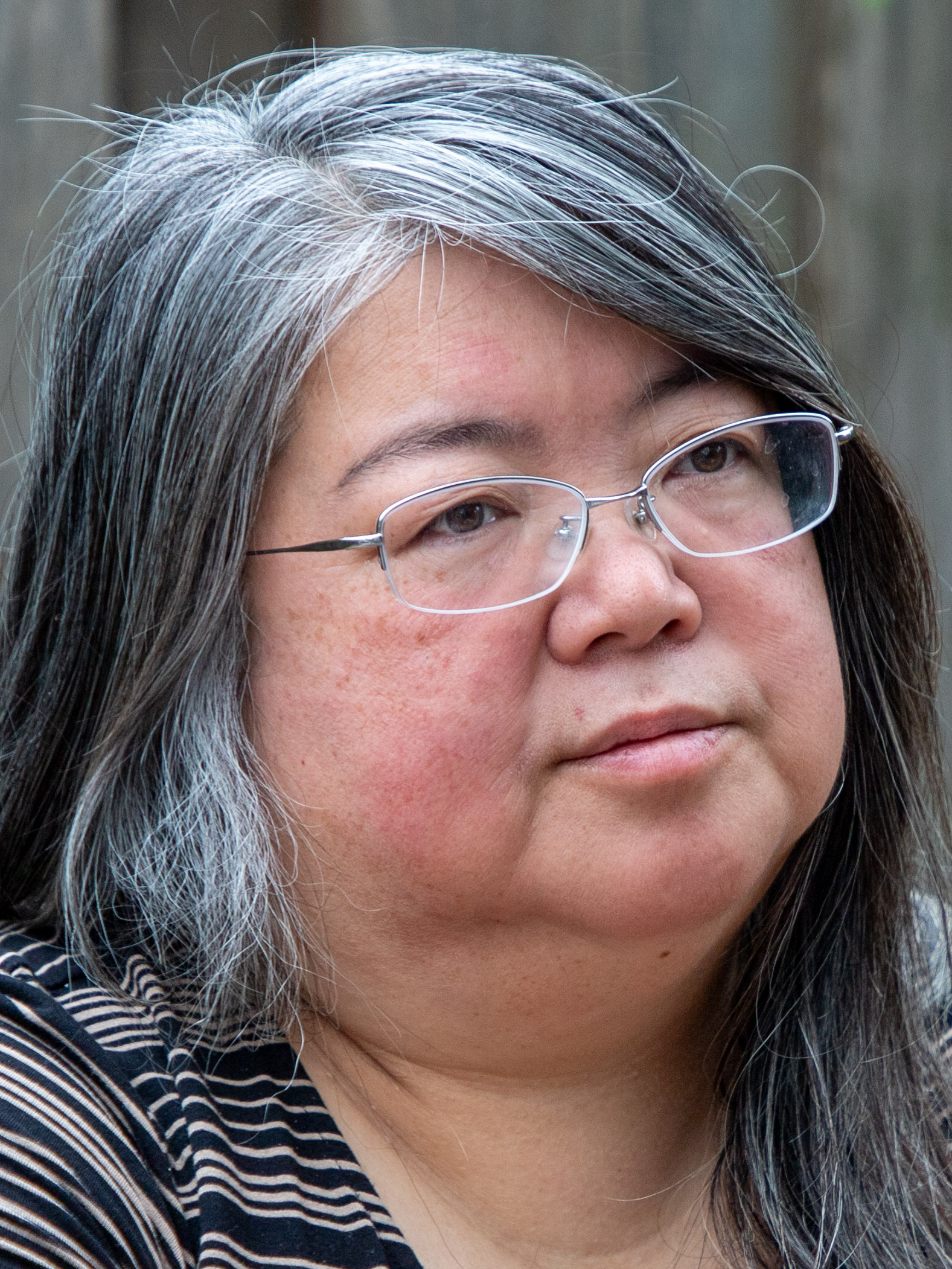
Meilin Obinata
Age: 51.
Occupation: Senior college admissions counselor at Insight Education.
Political background:
- Board Trustee, Museum of Art and History.
- First-time candidate.

Robin Sukow
Age: 79.
Occupation: General contractor.
Political background:
- Vice chair, Santa Cruz County Republican Assembly.
- Representative, Sunlight Foundation.
- First-time candidate.
Area 1 candidates on the issues
What do you see as the biggest issues facing PVUSD, and what do you hope to change as a trustee?
“So right now, the district has 14% proficiency rate in eighth grade math, and I feel like to me as an educator and as a citizen and as a parent, you know that — that’s just unacceptable.”
- Wants to reorient the district around “legitimate student achievement goals” and hold leadership accountable for them.
- Says the district has high-performing pockets but lacks coherency and consistency districtwide.
- Points to his record building an AP science program while also lowering D/F rates in introductory courses.
- Says that achievement and equity aren’t mutually exclusive.
“Parents, teachers, and students are deeply unhappy, and there are multiple reasons for that.”
- Calls for a genuine strategic plan so the district addresses problems long-term instead of jumping from “crisis to crisis.”
- Says the pattern has spanned multiple administrations, not just the current one.
- Wants to balance financial pressures, like declining enrollment and attendance, with improving the day-to-day student experience so families don’t leave the district.
“COVID exposed a lot of dysfunction in not only our local school board but school boards in general.”
- Points to board dysfunction — incomplete proposals and, he says, a lack of decorum — as preventing real progress.
- Describes himself as an outsider without a resume in education administration, which he frames as an asset.
- Cites turnover, including of the superintendent, and departures in the finance department and at Aptos High, as evidence the district is “going in the wrong direction.”
What do you think teachers in the district need right now and what will you do to support them?
“Well, the core, sort of, my DNA around education is that the action is in the classroom between teachers and students, and everything else around the school, all the support services are exactly that — they are support services to enhance what happens between the teacher and the student.”
- Says teachers are asked to do too much beyond teaching — paperwork, special-services requirements, bureaucracy — and wants to shift non-core tasks to other staff.
- Would grow expertise from within rather than paying for outside consultants, citing a $20,000 keynote speaker fee he says should have gone to teacher-led professional development instead.
- Supports teacher-led site staff development committees so training reflects on-the-ground needs and gives teachers a leadership pathway.
“Teachers need resources. They need reasonable class sizes.”
- Notes that she has the endorsement of the Pajaro Valley Federation of Teachers.
- Wants to restore support she says the administration has cut, citing retention problems including classrooms that start the year without an assigned teacher.
- Prioritizes “teachers teaching teachers” — using veteran staff to mentor and pass down institutional knowledge — over outside management-consulting contracts.
“I recognize that our teachers are probably the lowest paid within the general area.”
- Points to the high cost of living in Santa Cruz County pricing teachers out, citing family members who teach in neighboring districts because they can’t afford to live locally.
- Says teacher pay increases come down to labor contracts that the board has to weigh against the budget.
- Frames his broader commitment as simply “to support them because they’re the ones that are educating our kids.”
When it comes to the board, how do you envision working with other trustees, and how would you foster a collaborative and effective board?
“So my political background has always been not just listening to people at the table, but who’s not at the table that really needs to be, who’s being impacted, who’s got some expertise to contribute.”
- Draws on experience chairing the county Democratic Party and serving on several nonprofit boards, work he says means bringing together people with divergent opinions.
- Wants genuine teacher input rather than “performative” town halls where staff don’t feel like real partners.
- Sees clear, data-tied board goals as a way to reduce personality conflicts by giving members a shared “throughline.”
“I think it’d be great to work on a strategic plan with other trustees and the public and the
administration.”
- Wants a shared strategic plan built with other trustees, the public and the administration to give the board a clear common direction.
- Says she has experience as a mediator and is comfortable with disagreement as long as it gets resolved.
- Supports more joint town halls with fellow trustees, within the limits of the Brown Act.
“I did a radio interview last night, and I was accused of being a rubber stamp candidate that I would just just agree to whatever the board is.”
- Says he’s not part of the establishment and won’t be a “rubber stamp” on the board.
- Criticizes past board practices, including what he calls repeated Brown Act violations, that he says undermine transparency and functioning.
- Wants the board to reach a “common essence” before voting rather than getting stuck on interpersonal disputes.
How will you ensure accountability for management of the district’s budget?
“I come out of a background where a budget is a statement of value, of what the organization’s about, and I think our task is to translate it more effectively.”
- Says he has enough budget experience to “unpack and repack” the roughly $350 million PVUSD budget and explain it in plain English to the public.
- Wants the district’s strategic student-achievement goals used as a “throughline” so every new spending proposal has to show which goal it advances.
- Frames board oversight of the superintendent as setting clear expectations and goals and holding her accountable to execute them.
“I would want the actual budget to be somewhere on the website and easily accessible.”
- Says she and a friend struggled to even locate the current budget on the district website and wants it posted clearly, in multiple languages and accessible formats.
- Wants the public involved in building the budget from the start, rather than gathering input through committees and, as she says has happened before, not acting on it.
- Wants trustees to coordinate so they can present a “united front” reflecting what their constituents want funded.
“Something’s got to be done.”
- Says the district overhired using COVID relief money and then had to lay off roughly 150 staff once those funds ran out.
- Points to his construction-business background, saying budgeting requires “practical decisions” without being “too emotional.”
- Says the district risks state receivership if it can’t balance its budget, calling that his top priority to avoid.
Given the demographic makeup of the region, how would you ensure equity across the district, including linguistic and cultural inclusion?
“I think in a diverse district like this, is just fundamentally building the culture of the district that recognizes that diversity is a strength and not a deficit.”
- Points to the district’s ethnic studies program — offered across English, history and art rather than siloed into one class — as a model he’d build on.
- Wants staffing and school culture to be “reflective of what the community looks like.”
- Says the goal is for every kid to feel “safe and welcome,” including by honoring their cultural history.
“Outreach to me means, like, going out to where people actually are versus expecting them to come to, say this or that district location.”
- Wants linguistic access expanded beyond Spanish to languages like Mixteco and modes like American Sign Language.
- Says inclusion has to be an explicit, top priority given tightening budgets, or some students will “fall through the cracks.”
- Cites her background as a civil rights investigator and more than a decade on the NAACP Santa Cruz County board.
“So, my Spanish is only enough to get me into trouble.”
- Acknowledges he doesn’t speak Spanish and says a friend has told him it’s harder for him to relate to families working in agriculture.
- Points to Aptos’s early-literacy, phonics-based reading program as something he’d continue supporting for English learners.
- Says he would commit to visiting school sites across the district, including in more rural areas, to hear directly from families.
One problem the district has faced is a need from families for special education. How are you going to fill that need when there are a lot of families who can’t afford to provide financing for their own special education services?
“Special education is a federal mandate, and forget about families paying for it. The district’s obligation is to fund and support those programs.”
- Says special-ed funding is not “a negotiable item” under federal law, regardless of what individual families can pay.
- Says the district’s special-ed program is currently underfunded and understaffed, citing layoffs the district later had to “claw back” and rehire for.
- Wants to examine whether Pajaro Valley should merge its independently run special-ed program (SELPA) with the county’s system or continue operating on its own.
“Public education is the place that does not exclude anyone.”
- Notes that failing to provide legally required special-education services can expose the district to lawsuits, citing one filed by a fellow trustee candidate, making it a budget risk as well as a legal one.
- Wants consulting contracts that lack clear statements of work or metrics scrutinized before student services are cut.
- Says spending that directly helps students in the classroom should get the “highest priority.”
“It is disconcerting that we’re seeing more and more children with special needs.”
- Says he isn’t familiar enough with current special-ed offerings to name specific changes but would look into it.
- Says he’d look to partner with another trustee candidate who has a special-needs child and direct experience with gaps in services.
- Frames rising special-education need as, “as much a social issue as it is a mental issue.”
The district laid off mental health clinicians and counselors. What are you going to do for students facing mental health issues?
“They announced those layoffs without a coherent and timely plan for how they were going to maintain services for kids.”
- Criticizes the timeline: layoffs were announced in December, but a contract with a replacement provider wasn’t signed until June.
- Says future service cuts, including any school closures, need a concrete continuity plan in place before he’d support them.
- Argues the district needs to “move slow to be able to move fast” on decisions that affect vulnerable students.
“A major way in which American teenagers access mental health is through their school.”
- Says remaining school-based mental-health staff are likely “maxed out” and wants the district to at least share information on outside resources in the near term.
- Points to job postings to refill positions as evidence of “overreach” in the original cuts.
- Wants to work toward longer-term investment in expanding student access to mental-health support.
“There’s a huge untapped resource within our churches”
- Says the district should look at untapped community resources, including churches, to support students given funding shortfalls.
- Ties the mental health cuts to the end of COVID-era federal relief funding that had allowed the district to hire additional staff.
- Says any restructuring should keep longer-tenured staff and evaluate whether positions are “working to capacity.”
How would you address the immigration enforcement fears of students and families in the district?
“They’ve established that schools are sanctuary environments”
- Has helped families through “Know Your Rights” trainings and “child safety plans” addressing what happens to kids if a parent is detained.
- Notes the county sheriff and Watsonville Police have backed the district’s sanctuary-school policies.
- Wants to go further on things like guidance for parent conferences, back-to-school nights and health-information sharing for families wary of engaging with the school.
“Any such contact would be considered like a lockdown event, and there’s a protocol in place”
- Points to recent district guidance on what U.S. Immigration and Customs Enforcement can and cannot do on campus, shared at a press briefing.
- Wants to make sure all principals and teachers are aware of the district’s lockdown protocol for immigration-enforcement contact.
- Frames her role as reinforcing awareness of existing rights and protocols rather than creating new ones.
“I think it’s a false fear that has been fed into this part of the community”
- Says he does not see immigration enforcement in schools as a significant concern locally and considers the fear largely unfounded.
- Draws a comparison to his own experience needing a passport and following local laws while traveling abroad.
- Says he doesn’t see this as a top priority issue for the school board to focus on.
Meet the Trustee Area 4 candidates
In Trustee Area 4, incumbent Daniel Dodge Jr. faces a challenger in Eriberto Estrada.

Daniel Dodge Jr.
(incumbent)
Age: 44.
Occupation: Vallarta Supermarkets employee.
Political background: Incumbent Area 4 Trustee, first elected in 2018.

Eriberto Estrada
Age: 18.
Occupation: Student at California State University, Monterey Bay.
Political background: Community organizer and first-time candidate.
Area 4 candidates on the issues
What is the role of a trustee?
Dodge said trustees should listen to constituents and use their feedback when making decisions. He said trustees should also be willing to acknowledge when they have made a wrong decision. “Being a trustee, you can’t just be about talk,” he said. “You have to be about action.”
Estrada said a trustee’s role is to listen to the community, vote based on its needs and hold the superintendent accountable. He also emphasized attendance, saying trustees should be present at meetings and vote on issues before the board.
How will you evaluate recommendations from the superintendent and administrators?
Dodge said he weighs recommendations from the superintendent against feedback from constituents and is willing to oppose the administration when he believes a proposal conflicts with community needs. He pointed to his opposition to the proposed closure of Duncan Holbert School and some staffing cuts as examples. “I’m here to serve the people. It’s not the other way around,” he said.
Estrada said he would compare information from the superintendent and administration with what families and other community members are saying. “At the end of the day, the community is the one who’s affected most, and that’s who we should be listening to,” he said.
What do you think teachers in the district need right now and what will you do to support them?
Dodge said he would continue listening to teachers and making himself available. He said he has supported teacher contracts and wants the district to retain educators, particularly younger teachers who could spend their careers in PVUSD. “I think we need to do everything we can to keep our teachers,” he said.
Dodge said he wants to:
- Make himself available through email, phone calls and in person meetings.
- Offer support to teachers beyond just what’s happening in the classroom.
“What teachers need now more than ever is respect” from the superintendent and school board, he said, as well as pay that reflects that respect. He said he would listen to teachers’ perspectives and consider how his votes affect educators and staff, adding that supporting teachers requires acting on their concerns rather than simply hearing them.
Estrada said he wants to:
- Listen to concerns brought by teachers and offer support.
- Ensure they are feeling respected and listened to by elected officials.
One problem the district has faced is a need from families for special education. How are you going to fill that need when there are a lot of families who can’t afford to provide financing for their own special education services?
Dodge said special education should be prioritized rather than cut. He said he opposed previous cuts to special education and wants the district to seek additional state and federal funding for services. He pointed to his opposition to the proposed closure of Duncan Holbert School as an example of his support for special education programs.
“We need to find ways to get more funding and to advocate, not just cut,” he said.
Estrada said access to special education services should not depend on a family’s financial situation. He said the district should allocate more funding to special education and look for creative ways to increase available funding. He said he would meet with families and educators to learn more about the problem and which services and supports they believe are lacking.
The district laid off mental health clinicians and counselors. What are you going to do for students facing mental health issues?
Dodge said he opposed cuts to district mental health clinicians and wants the district to find other ways to provide services to students. He suggested expanding partnerships with local organizations, the county and the state.
He specifically mentioned working more closely with Pajaro Valley Prevention and Student Assistance, or PVPSA.
Estrada said the district should find funding to restore mental health counselors on school campuses. “Cutting mental health counselors doesn’t cut the problem,” he said. He said reducing counselors could create a larger gap in services and that student mental health should be treated as a funding priority.
Estrada said he wants to create safe spaces for students to share their mental health needs.
Given the demographic makeup of the region, how would you ensure equity across the district, including linguistic and cultural inclusion?
Dodge said he would ensure Area 4 schools receive district resources and infrastructure investments. He pointed to improvements at schools in Area 4 and said he would continue advocating for tax dollars to be spent on the area’s needs.
Estrada said students should have equal opportunities to succeed regardless of their school, grade level or individual needs. He mentioned supporting English learners, students with special needs and the teachers who serve them. “Every campus is important. Every classroom is important, and every student is important,” he said.
Estrada also identified transportation as an equity issue, saying students need reliable access to school in order to succeed.
How will you ensure the community is able to voice their opinions?
Dodge said he makes himself available to constituents through emails, messages and conversations in the community, including with residents who disagree with him. He said his longtime connections to Area 4 and the schools he attended help him stay connected with parents and residents. “I have no problem talking to anybody, anytime, anywhere, any place,” he said.
Estrada said trustees should seek community input throughout the year rather than rely only on the limited public-comment periods at board meetings. He said he would attend parent and school-site meetings and community events and create additional opportunities for residents to speak, including town halls and informal gatherings. “If we wait around until board meetings to listen to families, we’re waiting too long,” he said.
How would you address the immigration enforcement fears of students and families in the district?
Dodge said he opposes immigration enforcement at schools and supports district protocols to protect student and family information if immigration agents come to a campus.
Dodge said he wants to:
- Work with state and local elected officials to oppose immigration enforcement at schools and in the community.
- Continue educating residents about their rights and where to go for help.
Estrada said the district should have clear protocols so families know how schools will respond to immigration enforcement concerns. He said those protocols should be transparent, bilingual and widely distributed. “Students have the right to feel safe in their schools, and families have the right to feel safe sending their children to school,” he said.
Estrada said he wants to ensure the information is transparent and distributed widely.
When it comes to the board, how do you envision working with other trustees, and how would you foster a collaborative and effective board?
Dodge said he tries to avoid divisive arguments on the board and work with trustees even when they disagree. “I try to find common ground,” he said. He said compromise is important because four of the seven trustees are needed to approve board actions.
Estrada said trustees should focus on their shared goals even when they disagree about how to achieve them. He said he would bring professionalism and respect to board discussions.
He said the board’s common goals should include keeping students and teachers safe and listening to the community.
Meet the Trustee Area 5 candidates
In Trustee Area 5, three candidates filed to run for Olivia Flores’s seat, who is not running for reelection. All three candidates, Alicia Jimenez, Jennifer Schacher and Curt Wilcox, will appear on the ballot. Schacher withdrew from the race in August, endorsing Jimenez. Wilcox was arrested in September and is facing felony charges related to his campaign filings. He did not respond to requests for an interview.
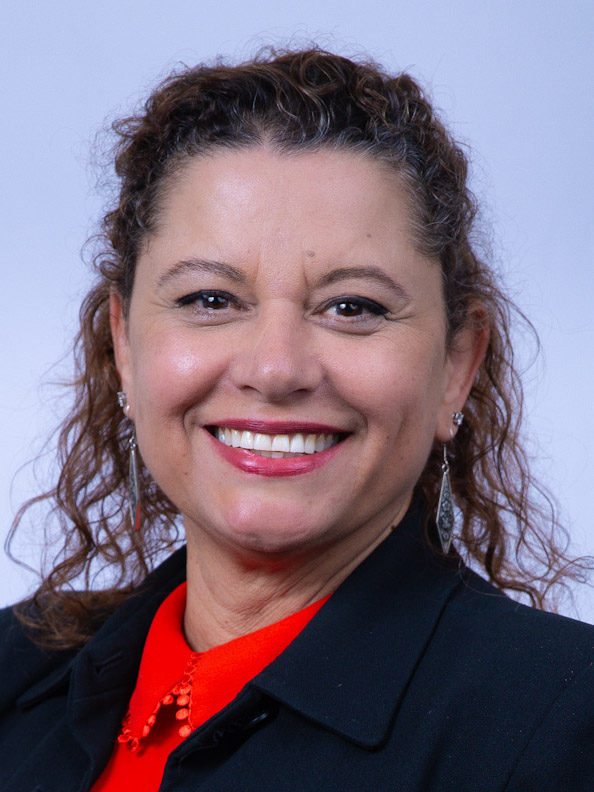
Alicia Jimenez
Age: 56.
Occupation: Retired PVUSD administrator.
Political background: First time candidate.
Jimenez on the issues
What is the role of a trustee?
“While I have all of this experience working for PVUSD, I would go in knowing that I have a lot to learn,” she said. “I’m advocating for the students and the families in my community, and while I’ve been doing it throughout my career, it’s also a very new way of looking at things.”
Jimenez said that one of the reasons she is running is “because I think we need a more respectful board.”
After more than two decades of attending board meetings, “this is the first time that I see such an unprofessional board,” she said. “We are being watched by our students, we are being watched by the families we serve, and they don’t have trust in those kinds of behaviors.” She said she also wants to end board meetings by 10:30 p.m., holding more frequent meetings if needed.
Jimenez said wants to:
- Hold regular office hours between board meetings so constituents can meet with her.
- End board meetings by 10:30 p.m.
- Work with fellow board members to cultivate a more respectful environment.
“I also think that I have always been a very positive person, and I hope that I bring a little bit of that levity to the meetings because it’s too dense — it needs to be digestible to all of us,” she said.
What do you think teachers in the district need right now and what will you do to support them?
“Teachers need the support of their administrators,” she said. She plans to meet with teachers from each school, starting with those in her district, and “finding out from them directly what needs are not being met.”
“I know teachers are hurting with the lack of extra support in the classroom, extra support in special services,” she added. “I want to hear their ideas about how to remedy it, and I hope I can earn their trust, and I hope I can collaborate with them often and authentically.”
One problem the district has faced is a need from families for special education. How are you going to fill that need when there are a lot of families who can’t afford to provide financing for their own special education services?
“As a school district, we have the responsibility to provide services to every student, regardless of the need,” she said. “I would need to speak with some of those families,” she added, “and then find out from the district what actions are possible.”
Jimenez said her son was a special ed student in the district with ADHD and social anxiety. “I understand that there’s a lot of different needs in special education, and so I think it’s important to research what is the need that is not being met.”
Jimenez said she wants to:
- Research and find viable options for the parents.
- Speak to families to understand what specifically they need so she can take it back to the district.
The district laid off mental health clinicians and counselors. What are you going to do for students facing mental health issues?
“The issue with having additional mental health support at the schools is financial, unfortunately,” she said.
Jimenez said she wants to:
- Continue partnerships with nonprofits like Pajaro Valley Prevention and Student Assistance.
- Advocate at the state level for more mental health funds, and general education funding.
“The need is great, and unfortunately, I don’t think we have enough funds, even within all of the organizations, to support that need,” she said. “I hope that the majority of staff plays a little bit of a role of being that person who the student can connect with.”
Given the demographic makeup of the region, how would you ensure equity across the district, including linguistic and cultural inclusion?
“I started my work at PVUSD as the executive assistant to the superintendent and the board of education,” Jimenez said. Currently, the district is “doing a very good job in terms of informing our Spanish-speaking families” and has resources for Mixteco-speaking families as well, she said.
Jimenez said she wants to:
- Find ways for schools and staff to continue to connect with non-English-speaking families.
- Make all information bilingual, including social media posts and news alerts from the district.
- Continue working with the district to find unique ways to reach Mixteco-speaking families.
How would you address the immigration enforcement fears of students and families in the district?
At eight years old, “I immigrated into the United States from Mexico as an undocumented person, and I was very fortunate to have had the opportunity to become a legal resident, and after that, a citizen,” she said. “So I understand the fears personally.”
As a district employee, Jimenez said she has seen that “PVUSD has been alongside our immigrants every step of the way.” She said she wants to ensure that all teachers and staff are aware of the immigration-related resources available for students and families.
Jimenez said she wants to:
- Continue engaging families to make sure they have all the information they need.
- Make sure each school site has resources to support immigrant families.
Meet the Trustee Area 7 candidates
In Trustee Area 7, Misty Navarro faces a challenger in Mads Realmuto. Navarro declined an interview for this guide.
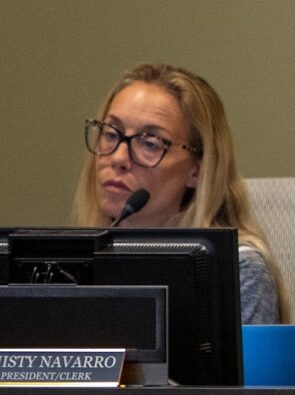
Misty Navarro
(incumbent)
Occupation: Emergency physician at Salinas Valley Health Medical Center.
Political background: Incumbent Area 7 Trustee, appointed in October 2024.
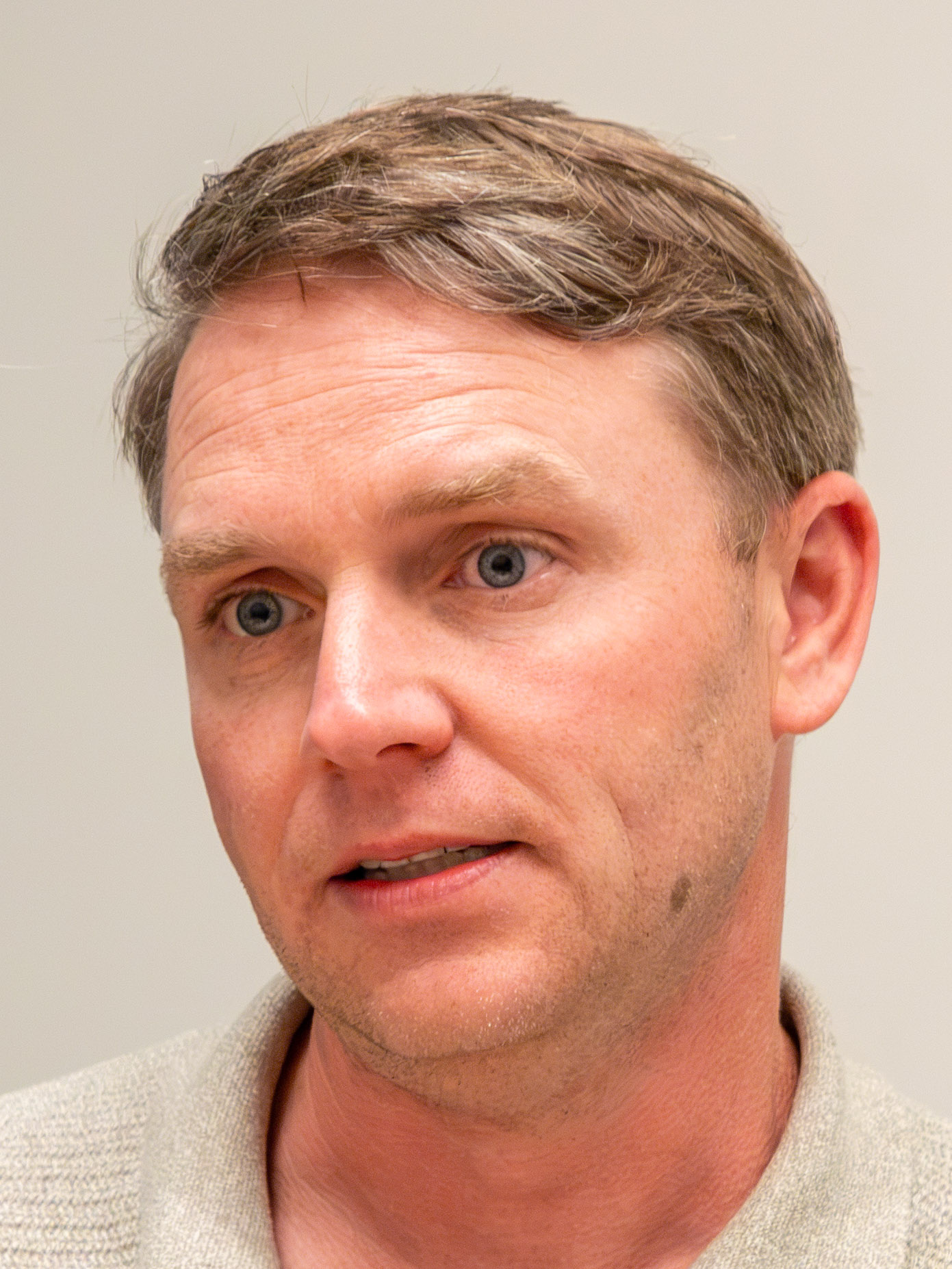
Mads Realmuto
Age: 41.
Occupation: Parent.
Political Background: Sustainable Schools Advisory committee member, first-time candidate.
Realmuto on the issues
What is the role of a trustee?
Realmuto said the role of a trustee is to provide the superintendent direction. “I think it’s giving the district or the superintendent specific direction, setting goals and guardrails, and really providing that oversight,” he said. “It is making sure that collectively that day-to-day operation is meeting the goals that we’ve established for the superintendent.”
How will you evaluate recommendations from the superintendent and administrators?
Realmuto believes that it’s important to understand and evaluate the data that comes from the superintendent. “I think we’ve seen that the data has not been consistently reliable, but the reality is data can also be manipulated,” he said. “And I’m not saying intentionally manipulated, but if there’s something that you’re wanting to achieve, you’re going to pick out the data points or the key elements that feed that narrative.”
What do you think teachers in the district need right now and what will you do to support them?
“I think right now in terms of what our teachers need, it’s positive engagement and effective communication. I think right now we don’t really have a measure in the district for what is that employee satisfaction,” he said. He wants to remind the board and the public that teachers cannot be everything, and that wraparound support services for students is key for their success.
Realmuto said he wants to:
- Explore ways to connect students to supportive services to alleviate the pressure on teachers.
- Create more relationships between all of the entities serving students, from the unions, the district and outside organizations.
“I don’t think we’re doing enough to foster a real working relationship and a relationship that’s based on trust between the district and the teachers, educators, and the unions. And so that’s an area that we need to really work on,” he said.
One problem the district has faced is a need from families for special education. How are you going to fill that need when there are a lot of families who can’t afford to provide financing for their own special education services?
Realmuto, who is a father to a special needs daughter, shared that he was very vocal when it came to the district cuts of special education positions, and has been advocating for the parents and their children in the district.
“I think last year when the district was looking at eliminating 160 positions, that’s when I started getting very vocal and not just watching from the sidelines,” he said.
Realmuto said he wants to:
- Look back at the Sustainable Budget Committee recommendations and do more advocacy on a state-level for how special education is funded.
- Wants accountability and clarity, and to create a plan going forward.
The district laid off mental health clinicians and counselors. What are you going to do for students facing mental health issues?
Realmuto said the district needs to rebuild its capacity of clinicians within schools in order to address student mental health needs and the recent rise of suicide amongst teenagers. “I think when we talk about suicide prevention, it’s about creating inclusive communities. It’s providing training so that our staff know how to address and improve that inclusivity and I think we really need to look deeper at screens and social media use and that impact,” he said.
Realmuto said he wants to:
- Look at screen time during school hours and how that impacts student mental health.
- Apply the recommendations from the Sustainable Budget Committee.
- Conduct listening sessions of students to make sure they feel safe and supported.
Given the demographic makeup of the region, how would you ensure equity across the district, including linguistic and cultural inclusion?
“Opportunity should be available no matter the language barriers, where you’re living, your disability, your school’s fundraising capacity, and there are certain things that are sort of built into the system, but that doesn’t address everything,” he said.
He added that it starts with bringing everyone together in an inclusive way. “It’s really important that we have people on the board who have the trust of our organizations in the community, our community members, certainly the teachers, also families, so that we can make sure that we start on a level of trust and support to work through those major decisions,” he said.
How will you ensure the community is able to voice their opinions?
Realmuto said he will ensure the community is able to voice their opinions by creating meaningful access to board agenda materials and using more plain language presentation of materials. “There’s lots of different ways that I think we can bring the community in earlier and make them feel heard, but also make them be heard by addressing a lot of those questions and concerns, so that when we get to the boardroom, something is really ready for a decision,” he said.
Realmuto said he wants to:
- Ensure board agenda materials are created and provided in a timely manner to the community to give them the proper amount of time to review each document.
- Make public meetings more accessible and equitable.
How would you address the immigration enforcement fears of students and families in the district?
Realmuto emphasized the importance of making sure that every child in the district feels welcomed and included. “We need to continuously be clear about the fact that we are a welcoming and inclusive place, and that is for all students, regardless of immigration status,” he said.
Realmuto said he wants to:
- Create more training on staff procedures and precautions.
- Ensure everyone has access to resources available for students and families.
- Conduct more listening to hear from affected families to understand what they need to be comfortable in sending their children to school.
When it comes to the board, how do you envision working with other trustees, and how would you foster a collaborative and effective board?
Realmuto plans to have a collaborative and effective board by bringing back simple conversations between trustees. “What we need right now in the school board is people who can work with people that they disagree with, who can constructively disagree and have constructive conversations that find a way forward,” he said.
Realmuto said he wants to:
- Keep the shared focus of the board on the children of the district.
- Keep meetings civil and deescalate meetings when they get emotional or intense.