
Watsonville City Council

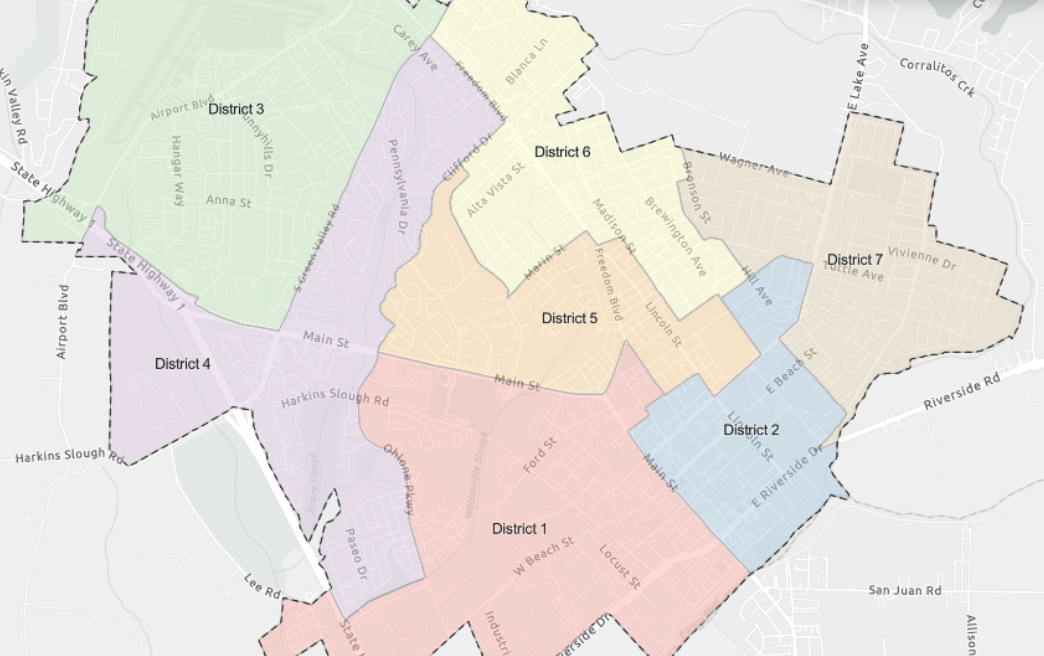
Watsonville City Council Districts 5 and 7 are up for election. View an interactive map of council districts.

Meet the District 5 candidates

In District 5, incumbent Casey Clark faces a challenger in Angel Zuniga.
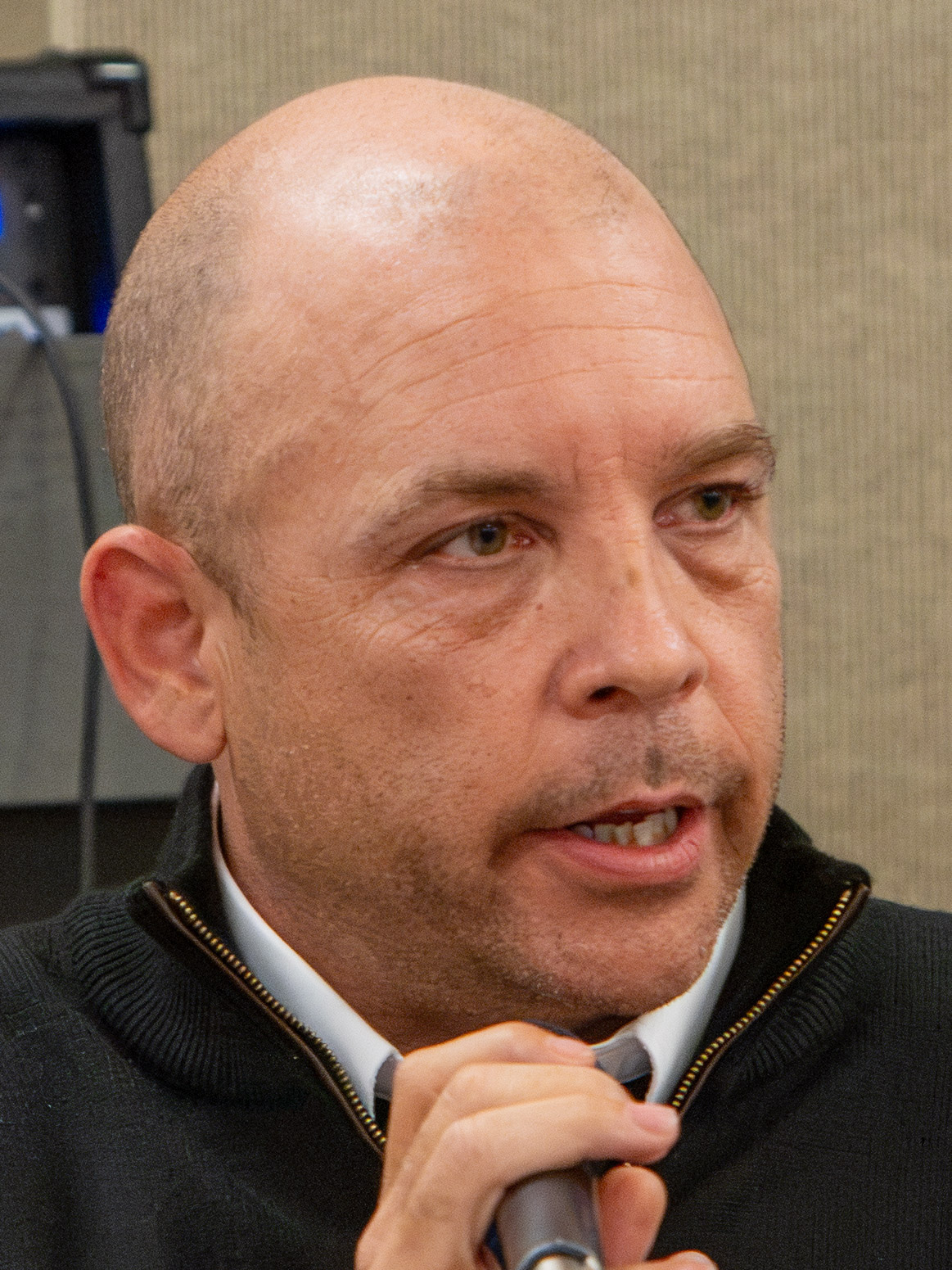
Casey Clark (incumbent)

Age: 43.

Occupation: State Licensed Administrator for Adult Residential Facilities.

Political background: 

  • Incumbent District 5 council member, first elected in 2022.
  • Currently serves as mayor pro tempore.
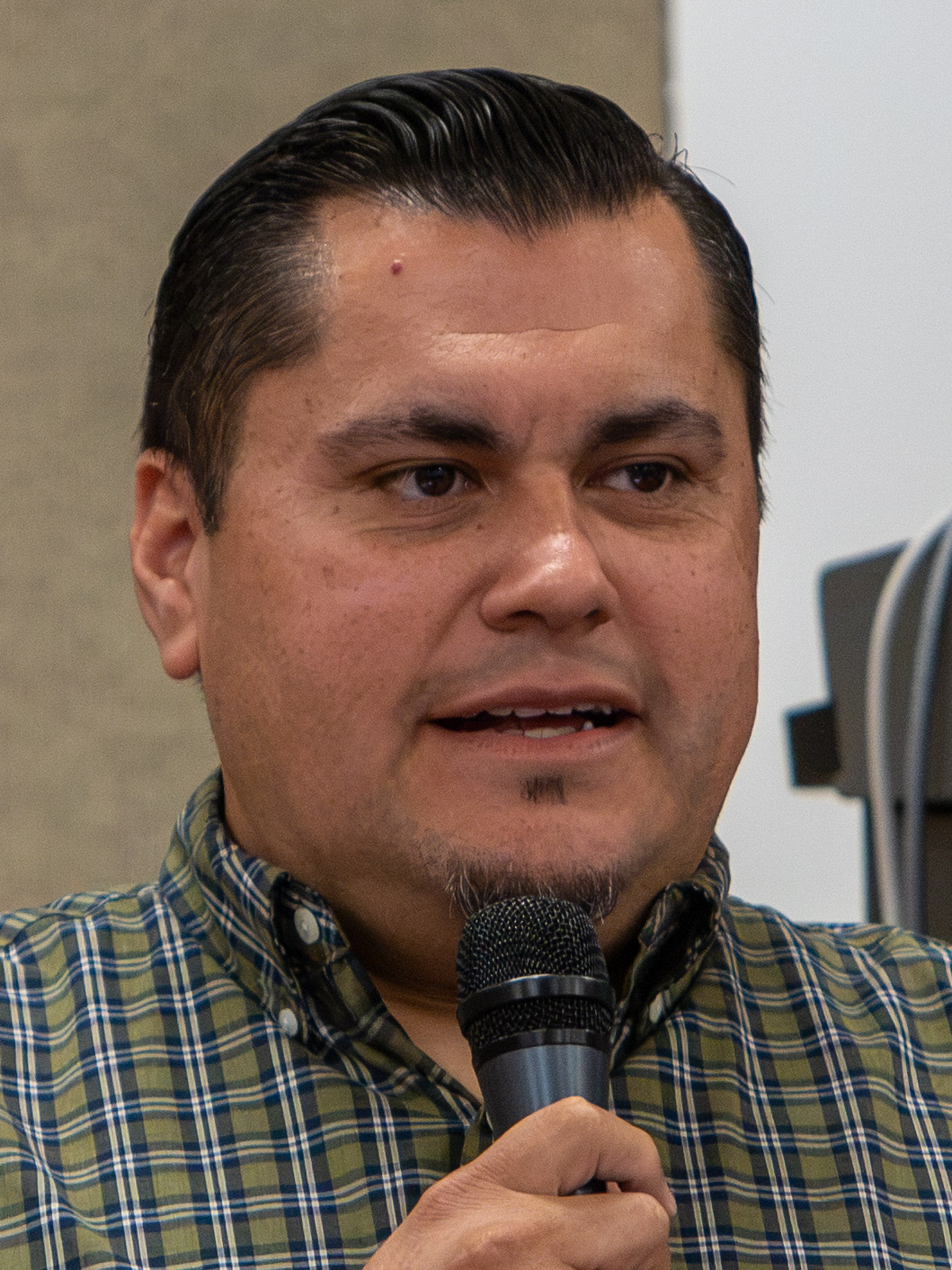
Angel Zuniga

Age: 42.

Occupation: Agricultural Logistics Manager at Americold Logistics.

Political background: 

  • First-time city council candidate. 
  • Appointed to the Watsonville Personnel Commission in 2025, with a term through 2028. 

District 5 candidates quick comparison

Yes/No Casey Clark Angel Zuniga
Would you support a rent control ordinance?

Would consider it.

Yes.
Do you support the city’s camping ban?

Yes.

Yes.

Do you support the city’s oversized vehicle ordinance?

Yes.

No.

¿Hablas español?

Muy poquito.

Sí.

Do you support continuing the city’s contracts with Flock Safety?

Yes.

Undecided.

District 5 candidates on the issues

We interviewed and surveyed Watsonville residents about their priorities for city council candidates. The following questions are based on what we heard.

How would you make it easier for residents to start new businesses, and how would you support small business owners who are struggling now?

Clark said Watsonville needs to make its permitting and planning processes easier to navigate and improve relationships between city staff and business owners.

“It’s one thing to say we’re business friendly,” Clark said. “It’s another thing to actually be business friendly.”

Clark said he wants to:

  • Streamline city processes and reduce hurdles for businesses.
  • Improve collaboration between city departments and business owners.
  • Address staffing and delays in the Planning Department.

Zuniga said his own experience looking into starting a business in Watsonville exposed him to “a lot of red tape.” He said the city could provide clearer guidance and connect entrepreneurs with organizations that already offer assistance.

Zuniga said he wants to:

  • Create a city liaison to connect entrepreneurs and business owners with small-business resources.
  • Develop a user-friendly guide or checklist for navigating the process of starting a business.
  • Connect struggling businesses with education and resources on marketing, cutting costs, suppliers and compliance requirements.

What will you do to encourage new below-market-rate housing development, preserve existing low-cost housing and stabilize rents?

Clark said Watsonville needs more affordable housing but also a broader mix of housing. He said market-rate development could expand the city’s tax base and help support infrastructure and meet housing needs.

Clark said he wants to:

  • Encourage a mix of low-income and market-rate housing.
  • Explore expanding city limits through the Local Agency Formation Commission, or LAFCO, where appropriate.
  • Consider rent-control proposals depending on how an ordinance is written.

“I’m not against rent control, but we have to do things in a measured way,” Clark said. “I will consider it.”

Zuniga said the city should make housing projects easier to build by reducing administrative delays. He said development costs can ultimately contribute to higher housing prices.

Zuniga said he wants to:

  • Streamline below-market-rate and market-rate housing development.
  • Reduce administrative delays that add to development costs.
  • Support rent control.

Zuniga initially said he did not know enough about what a local rent-control ordinance would entail. After the concept was explained during the interview, he said he would support it, citing local wages and his experience as a renter.

What policies would you propose to make roads safer and easier to navigate for pedestrians, cyclists and drivers?

Clark pointed to recent investments in roads, sidewalks, streetlights and crosswalks and said the city should continue those efforts. He also said education is an important part of addressing unsafe behavior by drivers, cyclists and pedestrians. “I very much value education and educating people on how to be safe on the streets is definitely something that I feel is lacking in our community,” he said.

Clark said he wants to:

  • Continue installing flashing beacons at dangerous or heavily used crosswalks.
  • Continue improvements to roads, sidewalks, lighting and crosswalks.
  • Expand traffic-safety education and partnerships with organizations that work with cyclists and pedestrians.

Zuniga said Watsonville needs safer and more visible routes for people walking and biking. He also supports increased traffic enforcement. “There’s a lot of biker friendly lanes, but again, the drivers don’t follow the rules, and that’s where more awareness and more signs, more visibility,” is crucial, he said.

Zuniga said he wants to:

  • Add more visible signs and pavement markings for bicycle routes and shared roads.
  • Identify heavily traveled corridors where bicycle and pedestrian improvements are needed.
  • Expand traffic enforcement to address speeding and drivers who fail to stop.

How would you improve traffic flow and congestion, and what would you do about concerns over slow or no response from police to traffic incidents?

Clark said Watsonville’s population has grown without enough corresponding infrastructure improvements. He pointed to the need to replace and re-time traffic sensors on Freedom Boulevard as one example of addressing congestion.

Clark said he wants to:

  • Continue improving roads and traffic patterns and reconsider stop sign placement where necessary.
  • Continue upgrades to traffic signals and other infrastructure.
  • Increase police staffing to improve the department’s ability to respond to calls.

Zuniga said he would want more information before proposing changes to police response time.

Zuniga said he wants to:

  • Meet with the police chief and review response-time data for traffic incidents.
  • Determine where response problems are occurring before proposing solutions.
  • Expand traffic enforcement to address unsafe driving.

What are you going to do to keep people and taxpayers in Watsonville?

Clark said the high cost of living is connected in part to a lack of local economic development and jobs that pay enough for residents to live in Watsonville. “It is not so easy to just go out and get a job that will pay the amount that we need as a community to stay in this community,” he said.

Clark said he wants to:

  • Promote economic development and make Watsonville more business-friendly.
  • Improve infrastructure.
  • Encourage construction of low-income, middle-income and market-rate housing, both for sale and rent.

Zuniga initially focused on wanting to create ways for taxpayers to easily see how the city spends their money. When asked specifically about residents leaving because of high housing costs, he said increasing the housing supply could help address prices. “Our businesses pay taxes, and we want to see what’s happening with that money,” he said.

Zuniga said he wants to:

  • Encourage more housing development.
  • Increase transparency and accountability around city spending.
  • Make sure residents see tangible benefits from their tax dollars through infrastructure and public services.

What are you going to do to keep young adults out of the streets?

Clark pointed to city investments in Parks and Recreation programs, the Youth Center and Ramsey Park. He said additional economic development could generate more city revenue for youth programs. “If we can continue to grow Watsonville and get the economic engine here in Watsonville running well again, that’ll be more money coming into the city that we can then put into the parks department and invest into our youth,” he said.

Clark said he wants to:

  • Continue investing in Parks and Recreation and partnerships with schools and community organizations.
  • Explore development of a sports complex if expansion of city limits makes it possible.
  • Expand opportunities connected to the Watsonville Municipal Airport, aeronautics and skilled trades.

Zuniga said the city should invest in parks and work with community organizations to provide more activities for young people. “Being a lifelong Watsonville resident, I saw that lack of after-school opportunities here in Watsonville. So having more of that does help. Like the YMCA, for example, that’s a good partner that has after-school and programs and camps during school recess,” he said.

Zuniga said he wants to:

  • Expand accessible after-school programs through partnerships with organizations.
  • Invest in recreational opportunities in city parks.
  • Encourage entertainment options for young adults, such as an arcade or a venue similar to a bowling alley.

What will you do to protect farmworkers from political persecution, wage theft, unsafe working conditions and predatory housing practices?

Clark described himself as a union supporter and said workers should be paid for their work. He also pointed to Watsonville’s sanctuary-city status as part of the city’s support for immigrant residents. “When it comes to wage theft and all of that employment stuff, I’m very much a a union supporter. I believe that people should be paid for the work that they do, no matter what it is,” he said. 

Clark said he wants to:

  • Continue supporting worker and union protections.
  • Support policies that protect immigrant community members.
  • Continue city efforts to support and protect residents.

Zuniga said he did not yet have a “solid answer” to the broader question. He said he would look to organizations that work with farmworkers and agencies responsible for enforcing labor protections. “Crack down on unsafe living situations for our ag workforce,” he said.

Zuniga said he wants to:

  • Rely on agencies responsible for enforcing labor laws and protections.
  • Use city code enforcement to ensure farmworker housing meets safety requirements.

Meet the District 7 candidates

In District 7, Ed Acosta and Nancy Bilicich are vying to replace Ari Parker, who termed out.
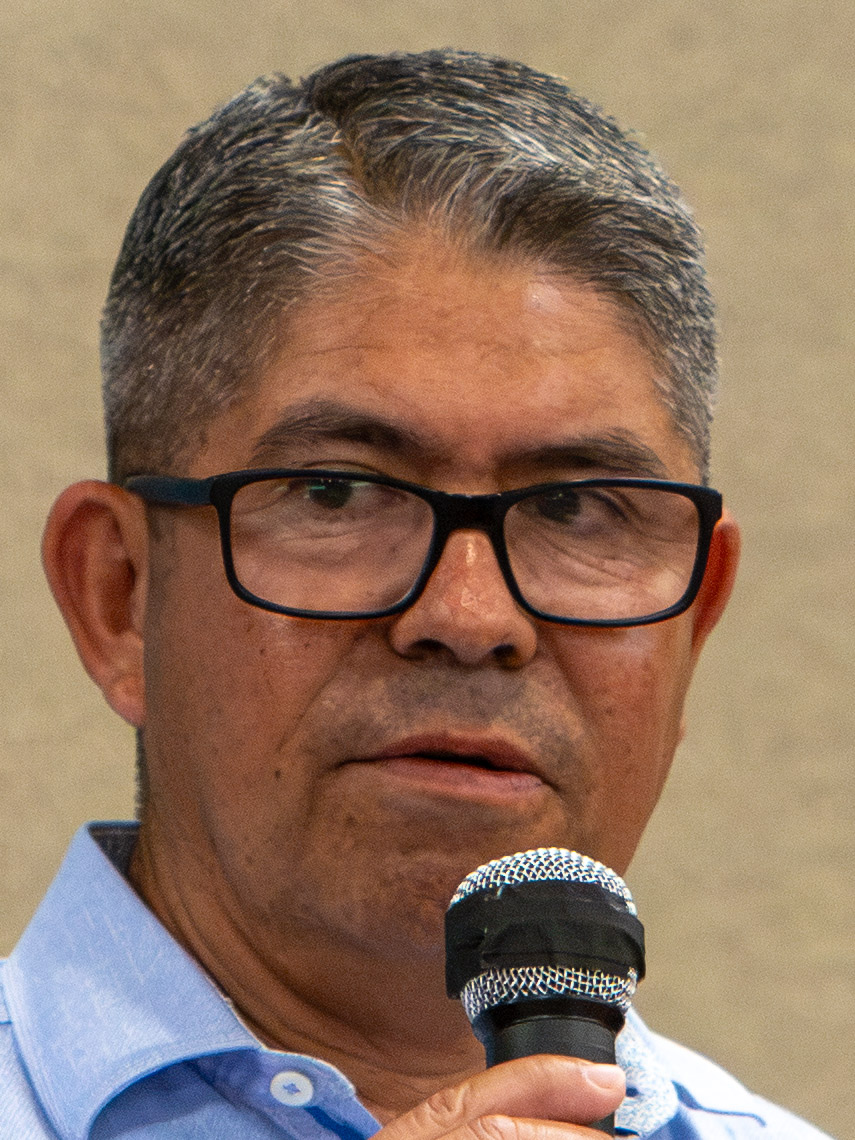
Ed Acosta

Age: 57.

Occupation: Agriculture Manager

Political background: 

  • Santa Cruz County Board of Education Trustee Area 6.
  • Former Watsonville Planning Commissioner. 
  • Santa Cruz County Democratic Central Committee Member.
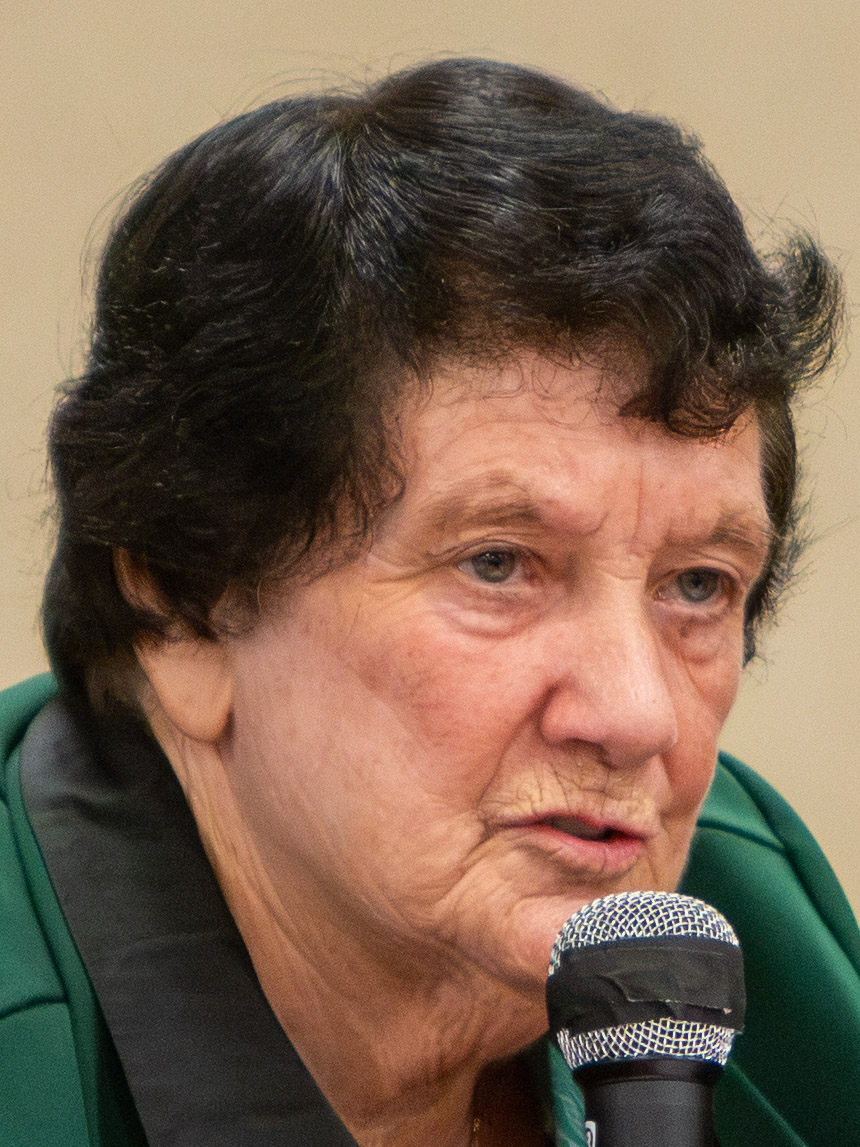
Nancy Bilicich

Age: 75.

Occupation: Director of Adult Education for PVUSD.  

Political background: 

  • Former Watsonville City Councilmember, 2009-2018.
  • Board chair of the Pajaro River Watershed Flood Prevention Authority
  • Ran for city council in 2022.

District 7 candidates quick comparison

Ed Acosta Nancy Bilicich
Small businesses
  • Make the permitting process faster.
  • Address individual challenges facing struggling businesses, including signage issues.
  • Simplify the permitting process.
  • Meet directly with small-business owners to understand their challenges.
Encouraging new businesses downtown
  • Move forward with the downtown project and make improvements to attract new businesses.
  • Supports exploring a two-lane Main Street with internal parking.
  • Make downtown businesses and public spaces more inviting, including more frequent street cleaning.
  • Does not support reducing lanes on Main Street without first having a plan for displaced traffic.
Road safety
  • Consider more speed bumps and stop signs in areas where speeding is a problem, based on neighborhood needs.
  • Evaluate how traffic-calming measures affect neighborhoods before implementing them.
  • Add sidewalks where residents identify safety gaps.
  • Supports more traffic enforcement, including tickets for drivers who run stop signs and traffic lights.
Traffic
  • Review data on traffic-related calls, including when calls occur and how they are prioritized.
  • Examine how WPD uses officers’ time and resources and whether other resources could handle some calls.
  • Supports continued road maintenance despite the temporary traffic disruptions it causes.
  • On police response, says staffing and resources are limited and wants to work with the police chief and community to address concerns.
Keeping residents in town
  • Supports higher-paying jobs and a living wage to make Watsonville more affordable for residents.
  • Unions as a source of good-paying jobs and supports union labor.
  • Supports building a mix of housing types and expanding the local tax base.
  • Watsonville needs more jobs that pay better wages so residents can afford to stay.
  • Education and career-training programs.
Youth
  • Support after-school, weekend and sports programs through PVUSD and Watsonville Parks and Recreation.
  • Highlight the Watsonville Airport’s free aviation program for youth ages 8–17.
  • Meet directly with young people to find out what activities and businesses they want.
  • Says the skateboard park as an example of a youth amenity that has been well used.

District 7 candidates on the issues

How would you make it easier for residents to start new businesses, and how would you support small business owners who are struggling now?

Acosta said the permitting process is one of the biggest barriers for new businesses in Watsonville. “I think the big struggle for new businesses coming in is the permitting process and the processes behind the permitting process,” he said.

Acosta said he wants to:

  • Work with the Planning Department and other city staff to identify ways to speed up permitting.
  • Address specific challenges facing struggling businesses, including permitting and signage.
  • Streamline the process and be more welcoming to businesses.
  • Work with the other six council members to make changes to the permitting process.

Bilicich said the city should simplify the permitting process and reduce unnecessary paperwork and delays. She also said brick-and-mortar businesses are facing challenges from online and mobile businesses. “I would like to contact and speak with small small business owners to hear what their concerns are,” she said.

Bilicich said she wants to:

  • Meet directly with small-business owners to identify ways the city can help.
  • Encourage residents to shop locally and support brick-and-mortar businesses.

What else would you do to bring more businesses and economic activity to Watsonville, and downtown in particular?

Acosta said Watsonville should move forward with its downtown project and make changes to the area to attract new businesses. “In order to bring in new business downtown, we have to change the downtown a bit. We have to make it look nice,” he said.

Acosta said he supports:

  • Exploring a proposal to reduce Main Street from four lanes to two and provide internal parking.
  • Studying the traffic impacts of changes made to Main Street and bringing the results back to the community for input.

Bilicich said the city should create a more welcoming environment for visitors coming downtown. “We need to have our businesses look really inviting, and so if there’s a way to help them get the business looking good and inviting, I think that would help,” she said.

Bilicich said she wants to:

  • Improve the appearance of downtown businesses and clean streets more frequently.
  • Meet with local businesses to hear their concerns and identify ways the city can help.
  • Develop a traffic plan before reducing lanes on Main Street, to know where displaced traffic would go.

How will you improve transportation safety for pedestrians, cyclists and drivers?

Acosta said he has heard concerns from residents about speeding and traffic safety while walking and cycling through local neighborhoods. “I’ve been walking a lot of those neighborhoods and talking to the neighbors, and I’ve heard how cars are speeding down their blocks, and how we should as a city put in more speed bumps or more stop signs, so those things could be addressed,” he said.

Acosta said he wants to:

  • Consider additional speed bumps and stop signs in areas where speeding is a problem.
  • Evaluate traffic-calming measures based on the needs and impacts of individual neighborhoods.
  • Address speeding and distracted driving, which he said he has observed while biking and running.

Bilicich said Watsonville has invested in bike lanes but wants to figure out how the city can encourage more people to use them. She also said sidewalks are important for pedestrian safety. “Traffic is a big problem, and I have to say I agree with people. Do run stop signs. But people, whether it’s a regular stop sign or a light, it doesn’t matter, they run them,” she said.

Bilicich said she wants to:

  • Address sidewalk gaps in areas where residents identify safety concerns.
  • Increase traffic enforcement, including tickets for drivers who run stop signs and traffic lights.
  • Work on ways to encourage greater bicycle use.

How would you improve traffic flow and congestion, and what would you do about concerns over slow or no response from police to traffic incidents?

Acosta said he would first want to examine data about traffic-related calls and how police resources are being used.

Acosta said he wants to:

  • Review when traffic-related calls occur and how they are prioritized.
  • Examine how the Watsonville Police Department uses officers’ time and resources.
  • Consider whether other resources could handle some calls, depending on their severity.

Bilicich said she does not currently have a specific solution to Watsonville’s traffic congestion. She said major changes to roadways should wait until the city has a broader traffic plan.

Bilicich said she wants to:

  • Continue road maintenance, while acknowledging that construction can temporarily increase congestion.
  • Work with the police chief and community to address concerns about police response times, while recognizing that the department has limited resources.

What are you going to do to help prevent displacement from Watsonville?

Acosta said the cost of housing makes it difficult for people to afford living in Watsonville and pointed to wages as a key issue. “That’s the toughest part to be able to afford to live in Watsonville — a good living wage. And when I say good living wages, I do believe in unions,” he said.

Acosta said he wants to:

  • Look for ways to bring more higher-paying jobs to Watsonville.
  • Support living wages.
  • Support union labor.

Bilicich said Watsonville needs more housing, a broader tax base and jobs that pay better wages to help residents remain in the community. “You can’t support the whole city on just having affordable housing. You need to have a variety of people too,” she said.

Bilicich said she wants to:

  • Build a mix of housing types to expand the city’s tax base.
  • Bring more jobs with higher wages to Watsonville.
  • Expand access to education and career-training programs that can help residents increase their earning potential.

What are you going to do to keep young adults out of the streets?

Acosta pointed to existing youth programs operated through Pajaro Valley Unified School District, Watsonville Parks and Recreation and community sports organizations. “As far as options that are related to that age group, I think that it’s a matter of engaging. Getting to the students at the schools, getting them the information,” he said.

Acosta said he wants to:

  • Build on existing after school, weekend and sports programs.
  • Promote the Watsonville Airport’s free aviation program for youth ages 8–17.
  • Increase parent and student engagement with existing programs and work with schools and community partners to reach more young people.

Bilicich said the city should ask young people directly what activities and spaces they want. “I think I’d have meetings with them to ask, what do you want? I would like to hear from the youth,” she said.

Bilicich said she wants to:

  • Meet with youth to hear what programs and activities they would use.
  • Consider additional recreational options based on community feedback.
  • Use the Watsonville skate park as an example of a youth amenity that has been well utilized.

What does the Watsonville City Council do?

The Watsonville City Council is a seven-member elected body that creates city laws, sets the city’s budget and oversees city functions including Watsonville police, fire and Parks and Community Services. Watsonville City Council members serve four-year terms. The mayor is appointed each December.

The council has the power to:

  • Decide where and how much housing gets built in the city.
  • Set policies to address homelessness.
  • Hire and fire the city manager.
  • Propose taxes and other ballot measures.

Qualifications and salaries

Watsonville City Council candidates must be a registered city voter for at least 30 days and live in the district they represent. Other desirable qualifications for candidates include:

  • A willingness to work with other council members to craft policies.
  • An ability to understand complex budgets.
  • Broad interests: The council’s oversight includes the city’s water and wastewater systems, contracts with city employee unions, planning for growth, and public buildings and facilities.
What we heard from Watsonville residents

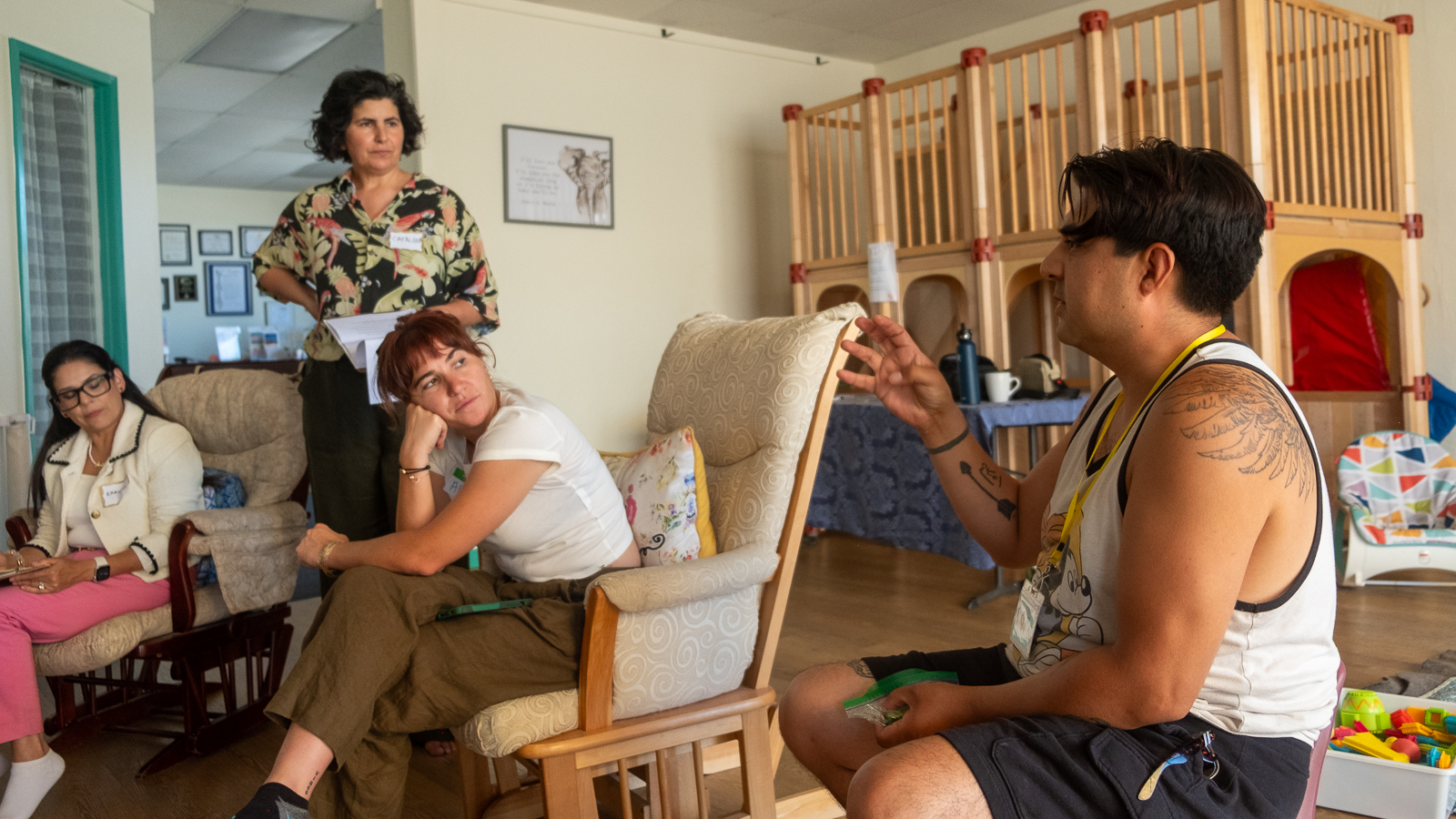
Santa Cruz Local and Noticias Watsonville journalists listen to a Watsonville resident describe local issues at a listening session at Raíces y Cariño in July. (Nik Altenberg — Santa Cruz Local file)

Santa Cruz Local and Noticias Watsonville talked to Watsonville-area residents during community listening sessions and individual interviews this summer. Their most common questions and concerns related to city government were taken to the candidates.

The top themes raised by residents were:

  • Housing affordability and high rents.
  • Public safety, traffic and road safety.
  • Jobs, wages and the local economy.
  • Resources and recreational opportunities for youth and families.
  • Support for local businesses and Downtown Watsonville.