


Felton Fire Protection District
Three candidates are vying for two director positions on the Felton Fire Protection District.
Meet the candidates
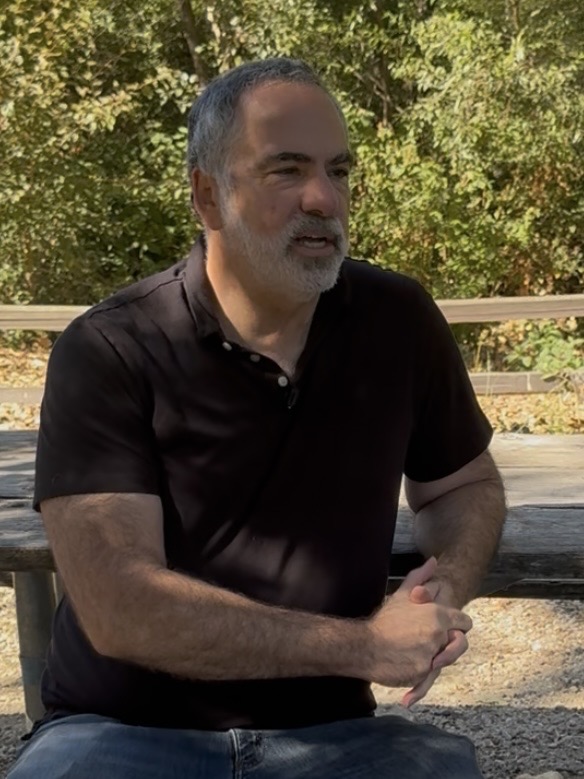
Craig Winter
Occupation: Project manager for technology company
Political background: Appointed to board in July 2025.

Norm Crandall
Occupation: Chiropractor.
Political background: Felton Fire board member since 2021.
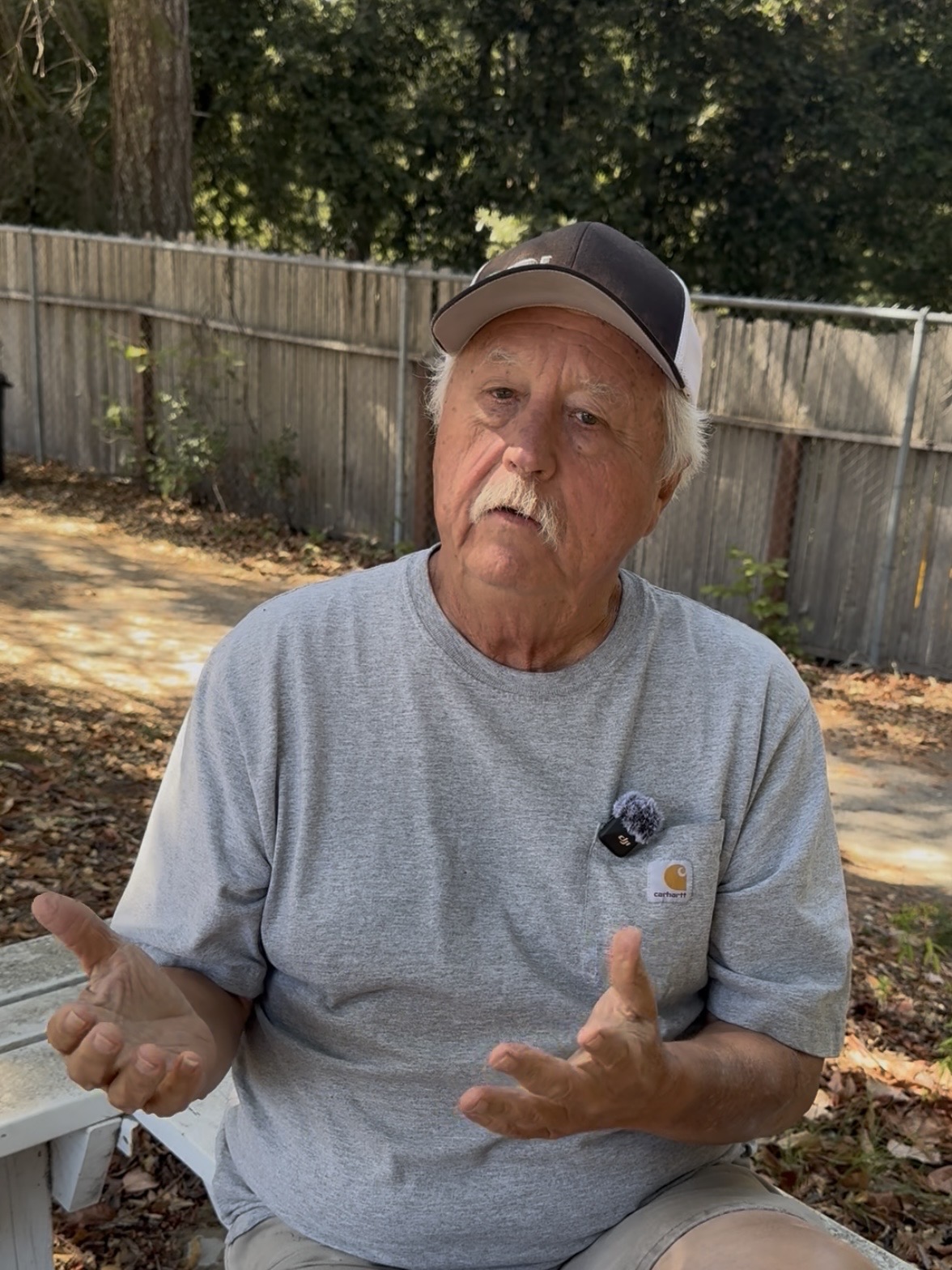
Jim Anderson
Occupation: Retired telecommunications professional.
Political background: Felton Fire board member since 1999. Board member of the Local Area Formation Commission of Santa Cruz County.
Candidates on the issues
How will you ensure Felton Fire is financially sustainable?
Winter says he intends to:
- Stick to the financial plan laid out in planning documents for the Prop 218 assessment, and “to track that budget very closely.”
- Work with a citizens oversight group for the Prop 218 money.
- “Look for other ways to be frugal,” like applying for grants and buying used fire engines.
Crandall said he plans to:
- Pick a chief that will stick to the long-term plan laid out in plans for the 218 income. The hiring is set to be made before the end of his current term. “I don’t yet have my long-term chief in hand, so that we can’t have that direct and frank discussion, but that’s going to be certainly part of the qualifying portions of the interview,” he said.
- Review the district’s annual budget.
- Work with the citizens group overseeing Prop 218 assessment spending.
- Complete the leasing of a cell phone tire atop the station, which “allows us to save up for things like vehicle acquisition without having to borrow money,” he said.
Anderson said he takes issue with “speculation that we’ve had financial issues for years” among some members of the community.
With the income from the new assessment, “there’s a lot of stuff that we have to manage and make sure we conform to,” he said. The district has contracted with SCI Consulting Group to comply with some of those requirements, he said. “We’ll hopefully over time take that on as we get more familiar with the process.”
How will you ensure transparency and encourage community involvement?
“I want to see a much higher degree of community engagement,” Winter said. “Pancake breakfasts are great. Town halls are great,” but firefighters should also go into neighborhoods to raise awareness of fire safety regulations, help clear evacuation routes and make sure each address is clearly marked, he said.
Winter said he wants to:
- Post an online “scorecard” with response times and details of emergency response to 911 calls.
- Hold quarterly town halls.
Crandall pointed to multiple down halls held ahead of the Prop 218 vote as an example of the district’s commitment to transparency and engagement.
Some attendees that were unsure or “fearful beforehand” of the assessment proposal “were appreciative after the fact,” he said.
The department attends numerous community events and holds several of its own, including the annual Santa’s Shelves craft fair, and a Mother’s Day pancake breakfast. “So I think we’re doing a fair bit of outreach,” he said.
Crandall said he plans to continue to make board meetings accessible by holding them in the evenings, allowing people to join over Zoom, and posting meeting recordings.
Anderson said the district has “revamped our website” to make it easier for community members to keep up to date. He said he plans to:
- Continue holding board meetings in the evenings with Zoom access.
- Engage with the Prop 218 assessment advisory committee.
- Consider publishing a Chief’s letter with updates for the community.
What have you accomplished during your tenure on the board?
Winter’s main accomplishment has been “pushing for more action, getting more activity on the board, and making things happen,” including the assessment, he said. “I’m not taking credit for it, but I think I was a catalyst.”
He said he will use experience as a project manager to encourage “a lot more action between board meetings, so you’ll see a lot more momentum building.”
At the beginning of Crandall’s term, the district owed hundreds of thousands of dollars to CalPers to backfill pension payments. “That was a huge challenge, and so I lobbied to pay down that unmet need and set aside money each year,” Crandall said.
He said he also:
- Helped determine that the district had enough money to buy out of the CalPers pension system.
- Worked with Anderson and Interim Chief Issac Blum towards leasing a cell phone tower atop the department building to raise money.
- Sought out and attended board member training with the Fire District Association of California. He said he will encourage new board members to take the training, and for all members to do more continuing education.
“The other thing I think I contribute to the board is the ability to hear different points of view,” from other directors or community members, “so that we’re not just all walking in lockstep,” he said.
Anderson said that over his term, he has helped the district break free of the CalPers pension system, which had limited the district’s ability to hire full-time employees, and has worked within the district’s budget.
“I know that there were people and social media [that] characterized us having financial issues, but we managed to navigate most of the challenges over time and provide adequate, actually excellent fire service until volunteerism became a problem,” he said.
Felton Fire has faced years of financial and operational concerns. For those who have been on the board for multiple years, why did the board not bring forth a tax measure to stabilize the district earlier?
The district had subsisted only on property tax revenue, and depended almost exclusively on volunteers, since its inception in 1947, Crandall said. There had been an attitude in the community “to keep things the way they had been, because it’d been successful for many many decades,” he said.
After the Covid-19 pandemic, a succession of interim chiefs, and the loss of many local volunteers, “it became immediately more clear that we needed to move with a purpose,” to raise revenue, “and I think we’ve responded,” he said.
Anderson said that increasing call volumes were the driving force behind the new tax assessment, and that for some time the board did not know that volunteers weren’t meeting the need.
“Felton is not a governing board, it’s not a management board, so we rely on the administration,” Anderson said. Under the leadership before Interim Chief Issac Blum, the board was “led to believe” that maintaining staffing “wasn’t quite the problem that it was.”
When the board learned the extent of the problems in 2024 and hired paid staff to improve response times, “that’s when we started the whole thing campaigning for more volunteers and a lot of stuff,” he said.
“You can all say hindsight’s 20-20 and shoulda, woulda, coulda, kind of thing,” he said. “I’m a believer that you learn from your mistakes and you don’t repeat them.”
This year, the district exited the CalPers pension system, which has also been a longtime financial strain. Why not exit CalPers earlier?
“Hindsight is 2020, so obviously the best time to have done this would be 10 years ago, 20 years ago,” Crandall said. After an initial visit to CalPers, “the implication was they would not make it easy for us to do it.”
Before Interim Chief Issac Blum, “the other chiefs that we had had weren’t excited about taking on that project, knowing that it was going to be an uphill battle,” he said. “I feel like it wasn’t until we had that chief who was willing to step up and say, ‘Yeah, okay, I’ll shepherd this through,’ that we really had that opportunity.”
Anderson said that over his tenure, he has tried to “learn as much as I can” about CalPers” to address the debt situation. With Crandall, he said, he galvanized the board to start paying down its pension liability.
It may have been possible for the district to buy out of the CalPers system earlier, he said, but some members of earlier boards “didn’t think it was as important at the time to do.”
About the fire protection district
The Felton Fire Protection District was established in 1935. It provides emergency response to 6,000 permanent residents and up to 15,000 summer visitors in the Santa Cruz Mountains. Directors set the district’s budget, hire the chief and oversee spending.