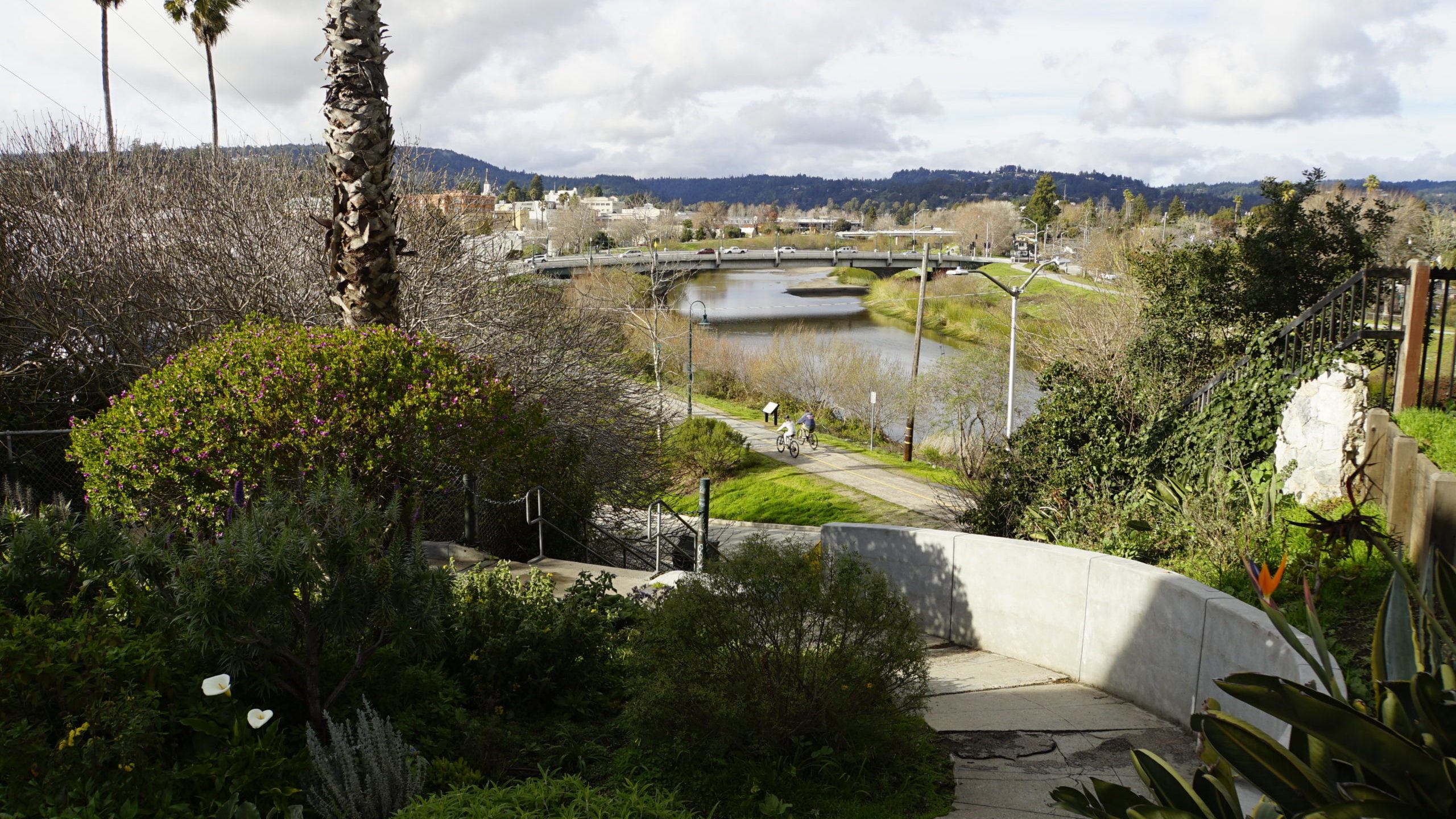
The San Lorenzo River is the City of Santa Cruz’s largest water source. It represents about 45% of the water supply. (Kara Meyberg Guzman — Santa Cruz Local)
SANTA CRUZ COUNTY >> Since California’s new regulations for the water contaminant chromium six went into effect in October 2024, many Santa Cruz County residents have received notifications that their tap water may exceed the limit.
That includes Ginger Hollinga, who in October found out that the water at her daughter’s school, Valencia Elementary School in Aptos, potentially contained chromium six, a heavy metal associated with an increased risk of cancer.
Local water agency officials have assured residents that the water is safe for drinking, cooking and bathing while they work to reduce the level of chromium six to comply with the new rules — including in Soquel Creek Water District, which includes Valencia Elementary. Other schools affected include Aptos High School, Aptos Junior High, Mar Vista and Rio Del Mar Elementary.
The new state regulation sets the maximum contaminant level at 10 parts per billion, or ppb. That’s the same as about 10 drops in an Olympic size swimming pool. According to state water authorities, drinking water at this level every day over a lifetime is associated with a cancer risk of 1 in 2,000.
California is the first state to set a drinking water standard specifically for chromium six, also known as hexavalent chromium and the “Erin Brockovich chemical.” The tightened regulations are designed to address long-term exposure risks, officials explained, not immediate health impacts.
Hollinga acknowledged that she wouldn’t even have heard about the chromium if she lived in any other state but California. Nonetheless, she worried that not enough was being done, especially in the schools.
“If we know it’s contaminated, and we can provide them clean drinking water, why wouldn’t we?” Hollinga said, adding she feared it could be “especially dangerous for children,” though little research has studied its effects on different age groups.
The state maintains a separate public health goal of 0.02 ppb, the level at which there’s essentially zero risk.
Hollinga said she has advocated for an immediate solution but her inquiries to school officials have either been rerouted back to the water district or gone unanswered. Meanwhile, she is sending her daughter to school with filtered water from home.
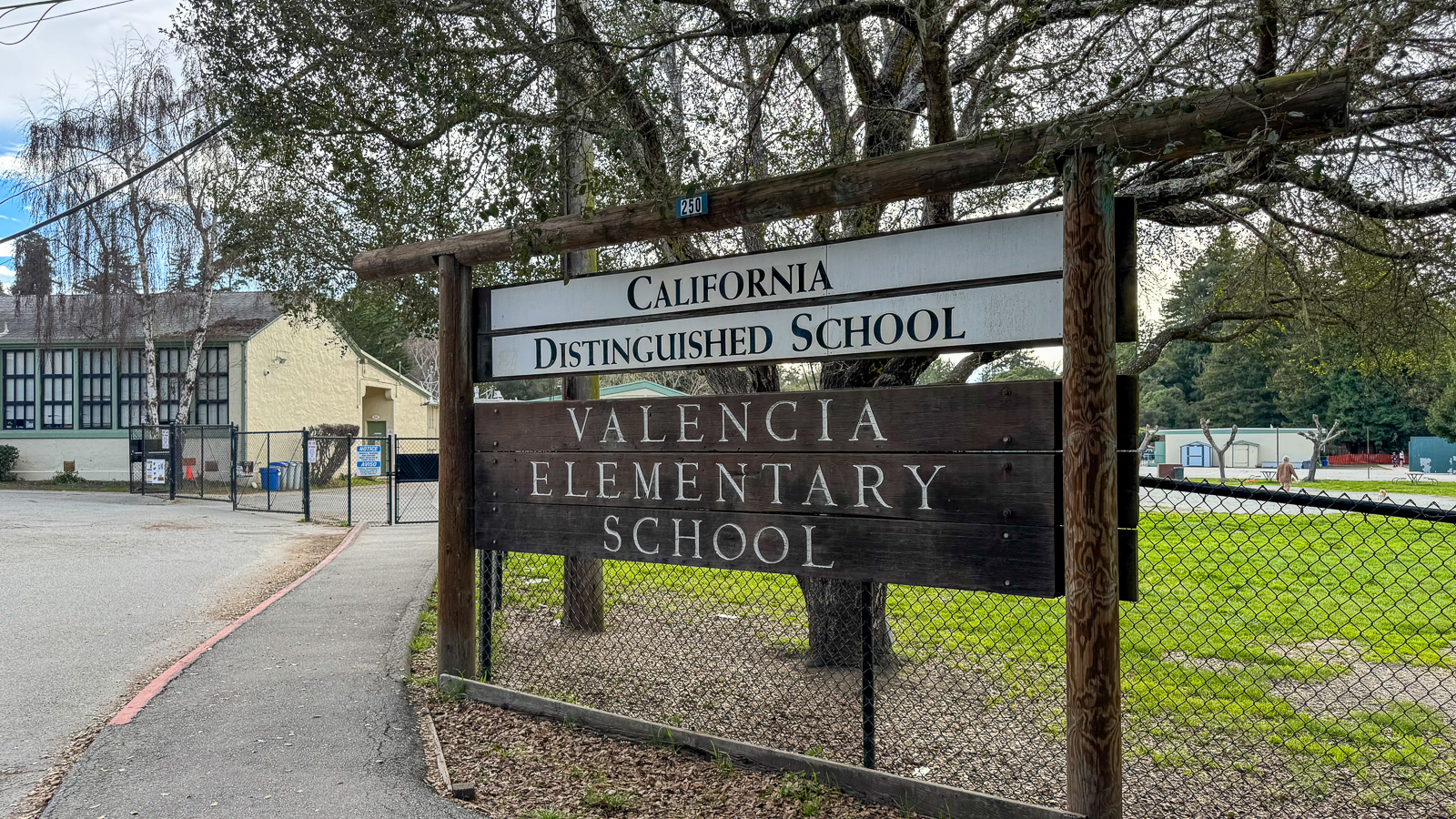
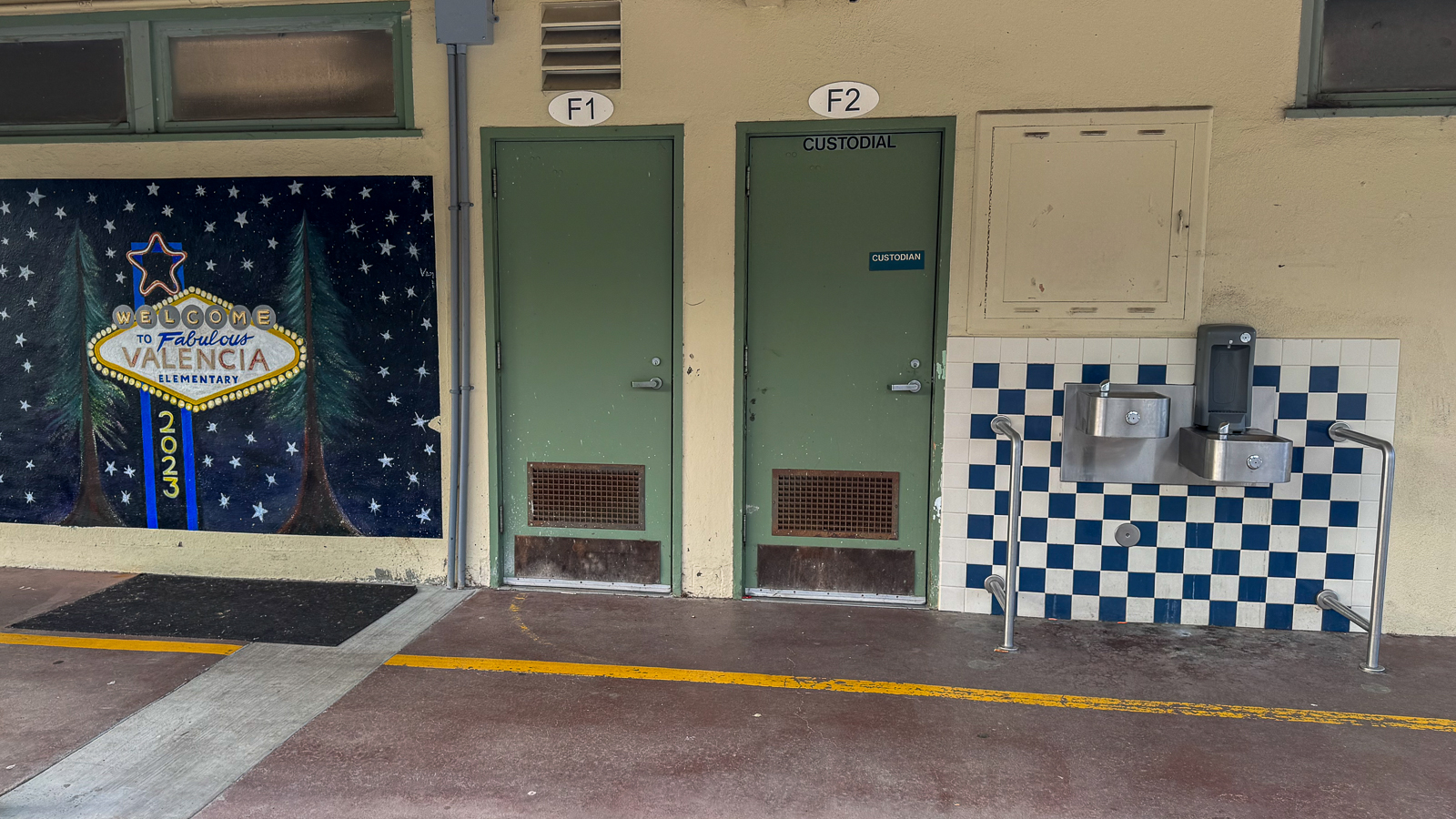
Ginger Hollinga was told that the water at her daughter’s school, Valencia Elementary School in Aptos, potentially contained chromium six, a heavy metal associated with an increased risk of cancer. (Jesse Kathan — Santa Cruz Local)
Where chromium six was found in Santa Cruz County
Odorless and tasteless, chromium six has been detected in tap water in all 50 states. The Environmental Working Group, a nonprofit advocacy organization, estimates that more than 250 million Americans unwittingly consume it.
Of nearly 9,000 public water wells sampled in California from 2015 to 2025, 693 had at least one detection of chromium six above the 10 ppb billion standard, according to the State Water Resources Control Board.
In Santa Cruz County, chromium six was detected above that level in more than 20 public groundwater sources, including in Soquel Creek Water District, Central Water District, the City of Watsonville and smaller water systems like Aptos High School, Monterey Bay Academy, Renaissance High School, the Rountree jail facility and the Buena Vista Migrant Center. The water at Rountree and Buena Vista has been found to have high levels of PFAS, or “forever chemicals,” as well.
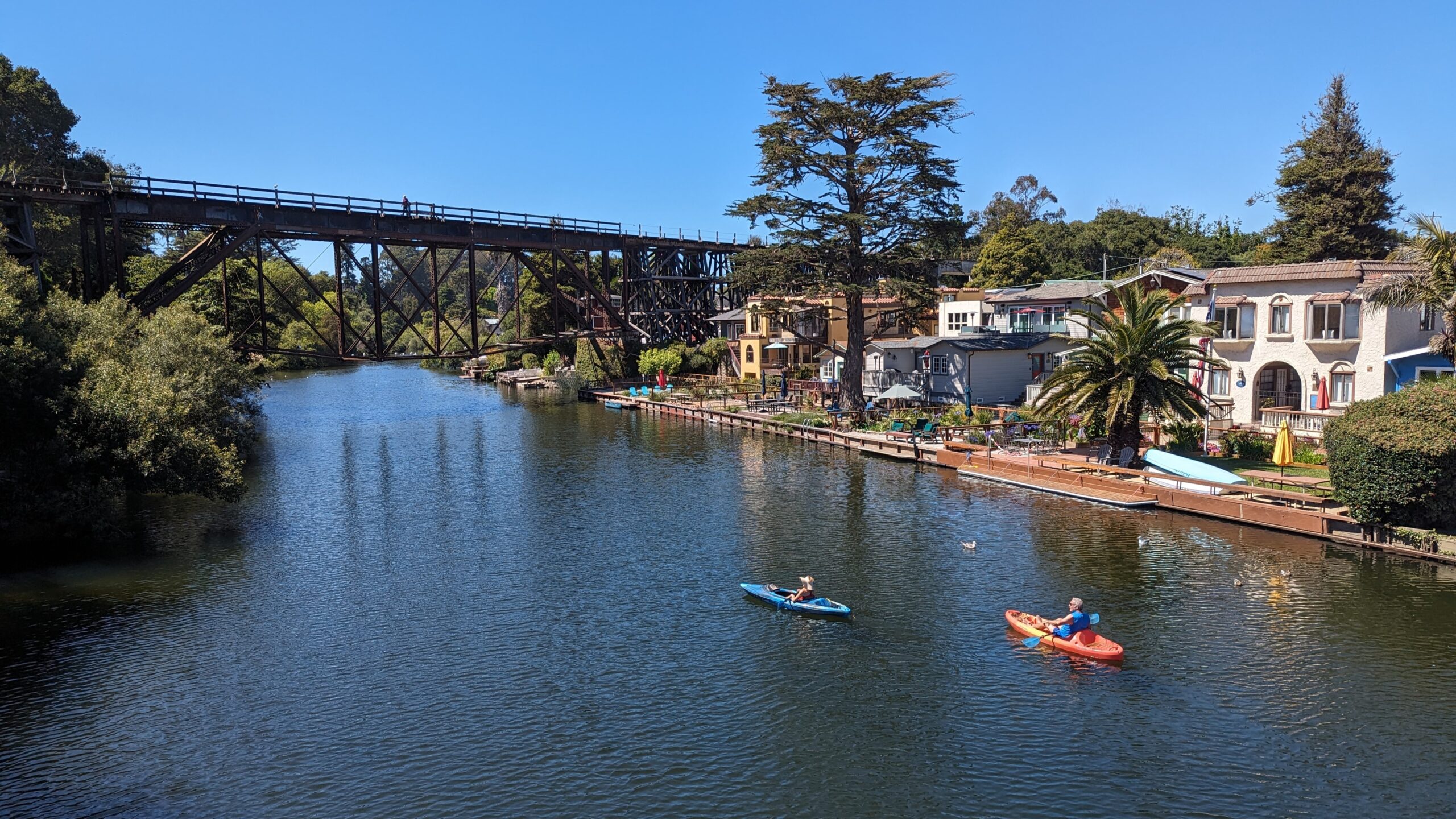
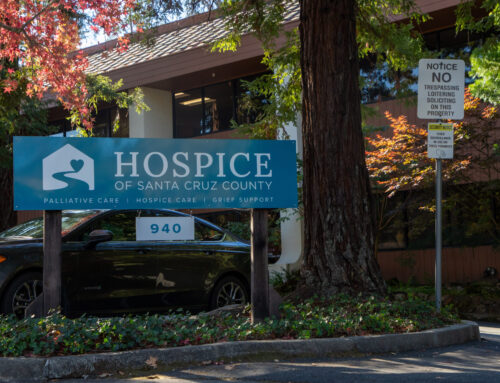
Soquel Creek Water District, founded in 1961, delivers about 1.8 billion gallons per year, for residential use within the communities of Aptos, Rio Del Mar, Seascape, Soquel, Capitola and Cañon del Sol. (Stephen Baxter — Santa Cruz Local)
The areas that had detections above the new regulation were in South County, ranging from Aptos Hills and Seascape to Watsonville.
Chromium six levels in Hinkley, California, where the Erin Brockovich case first made this issue more publicly known, have been tested as high as 3,600 ppb. By contrast, the levels in Santa Cruz County in 2025 topped out at less than 40 ppb, according to state data.
All public water sources in the state must test for regulated contaminants, including chromium six. Water quality in private wells is not regulated or required to be tested and is the responsibility of the well owner. Low-income households may qualify for free well testing and state water authorities recommend testing annually.
Less chromium six has been found in the northern part of the county, including the City of Santa Cruz, which gets most of its water from the San Lorenzo River, Loch Lomond Reservoir and a few North Coast streams.
The southern part of the county gets most of its water from underground aquifers. Local water authorities suspect chromium six is in the groundwater from natural sources, like rocks and sediment. There is no known industrial source of chromium pollution locally.
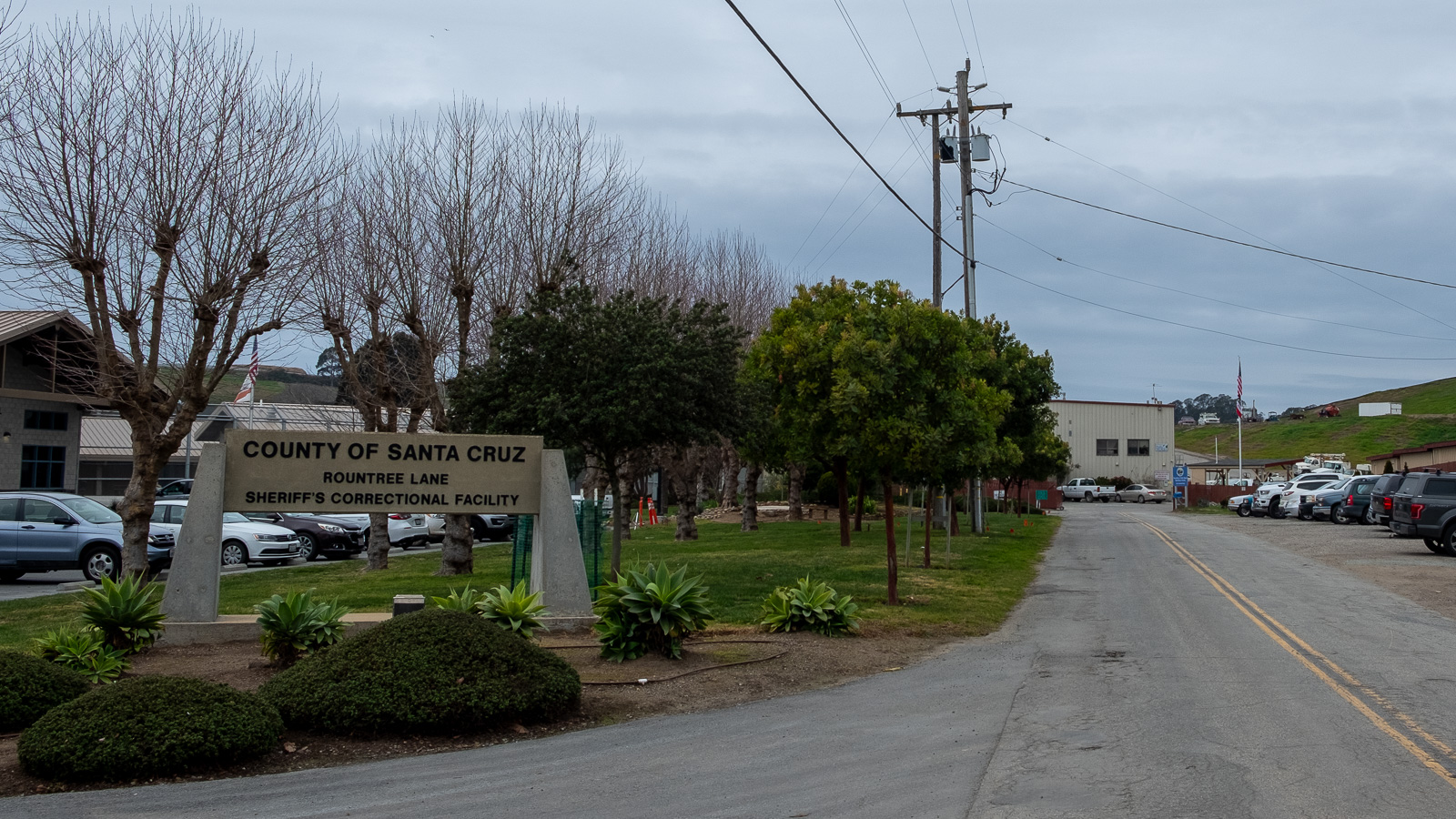
Elevated levels of “forever chemicals” were detected in the water supply of the Rountree jail facility near Watsonville, leading to a new water filtration system. (Nik Altenberg — Santa Cruz Local)
Timeline of water filtration fixes
For larger water districts, like Soquel Creek and Watsonville, the deadline for meeting the 10 ppb standard is October. However, they may install treatment systems after those dates as long as they have state-approved compliance plans in place — which Soquel Creek and Watsonville both do. Both have committed to installing treatment systems that chemically convert chromium six to less toxic trivalent chromium, or chromium three, prior to filtering it out.
Melanie Mow Schumacher, general manager of the Soquel Creek Water District, said in an email that construction on the treatment system is expected to finish by late 2027. It will address three wells in the Seascape area that recently tested from 14 ppb to 17 ppb.
“To our knowledge, no water systems in California will fully meet the October 2026 compliance deadline,” Schumacher said, adding that two years was “an extremely tight timeline.”
Beau Kayser, water division manager for the City of Watsonville, said the city needs treatment systems to be installed at each of the impacted wells at a total estimated cost of $25 million.
Watsonville reported six wells that exceeded state standards, with 2025 readings ranging from 11 ppb to 19 ppb.
Construction of the new systems is scheduled to be complete by 2030. In the meantime, Kayser said, “we need the water” and “don’t have the luxury of taking [the affected] wells offline.”
“It’s difficult to get this message out without causing concern or alarm,” said Kayser, adding that he continues to drink tap water without filtering for chromium.
Smaller water districts like the Central Water District have until 2028 to comply with the new standard. Central Water District leaders said this was not an emergency and that a replacement well should be finished this year.
Across California, the installation of chromium treatment systems is expected to lead to water rate hikes.
Renters and homeowners can remove chromium from tap water with reverse osmosis and other filters. Kayser said that bottled water is regulated by the more permissive federal standard, which is 100 ppb for the combined amount of chromium six and chromium three. Bottled water, he said, is therefore not guaranteed to have less chromium than tap water.
Brent Haddad, a professor of environmental studies at UC Santa Cruz, said he wasn’t too concerned about the presence of chromium six.
“I think there is minimal risk because they are just barely exceeding the new standard, and they are taking action to come within the standard,” he said.
He said that Santa Cruz County generally had clean water. “Our problems are more water quantity problems, not water quality problems,” Haddad said.
Questions or comments? Email [email protected]. Santa Cruz Local is supported by members, major donors, sponsors and grants for the general support of our newsroom. Our news judgments are made independently and not on the basis of donor support. Learn more about Santa Cruz Local and how we are funded.

Jesse Greenspan is a freelance journalist who writes about history, science and the environment. His work has appeared in The New York Times, Scientific American, Audubon and other publications.